

You can spend hours posting content, tweaking funnels, and trying to grow your audience while still wondering why your business feels inconsistent.

That’s the frustrating part for many coaches, consultants, and experts trying to grow an online business. You’re showing up, sharing valuable content, and building visibility, but your business still feels inconsistent.

The problem usually is not effort.

It’s structure.

A lot of email marketing advice focuses on getting more subscribers. But an email list alone does not create clients. What matters is building a system that turns attention into trust, trust into sales, and sales into long-term growth.

That’s why learning how to build an email list matters so much.

A strong email list helps you stay connected to your target audience, nurture potential customers, and create a more stable business that does not depend entirely on algorithms or referrals.

In this guide, you’ll learn how to build an email list from scratch, avoid common mistakes, and create a simple process that supports real business growth.

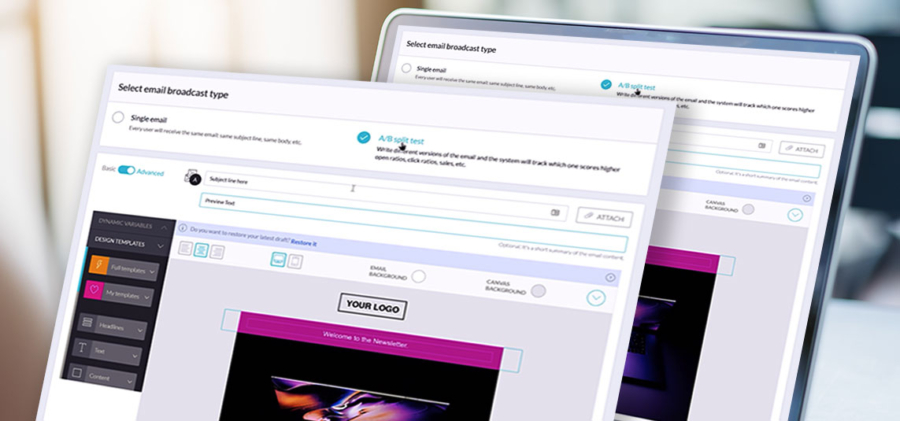
Perfect your marketing campaigns through A/B testing using Kartra’s powerful all-in-one marketing software

Getting subscribers is only the first step. The real challenge is creating a system that consistently attracts the right audience and guides them toward becoming paying clients.

The Simple Sales Funnel System shows you how to:

• Generate consistent leads
• Turn your expertise into a clear offer
• Convert subscribers into clients
• Connect everything into one simple, automated flow

Why Building an Email List Still Matters

Some people treat email marketing like an outdated strategy. It’s not.

For many service providers and online business owners, an email list is still one of the best ways to build trust and generate consistent revenue.

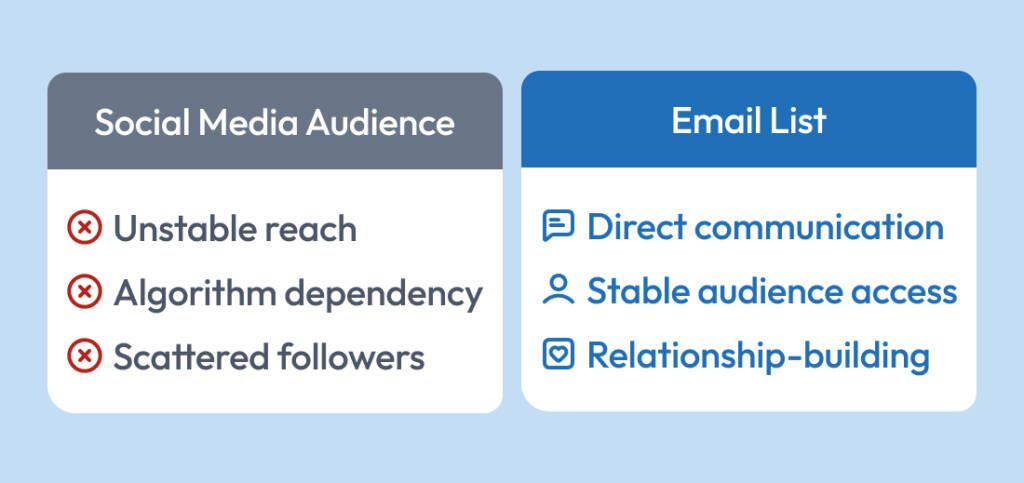
Social Media Followers Don’t Equal Stability

Social media platforms help you reach new people. But you don’t own that audience.

Algorithms change constantly. Reach drops without warning. One update can dramatically affect your visibility.

An email list gives you direct access to your audience. Instead of hoping people see your content, you can communicate directly with subscribers through an email newsletter or automated email campaigns.

That creates more consistency and more control.

Comparison between social media followers and owned email list audience

Email Creates More Opportunities to Sell

Most people don’t buy the first time they discover your business.

They need time and trust.

Email campaigns help you stay connected throughout the customer journey. You can answer questions, share insights, tell stories, and guide subscribers toward the next step.

That matters even more for coaches, consultants, and experts selling digital products, e-commerce offers, or higher-ticket services.

The goal is not to constantly pitch.

The goal is to build relationships that naturally lead to conversion.

The Goal Isn’t More Subscribers. It’s More Clients.

A large email list means very little if nobody engages or buys.

You don’t need thousands of random subscribers.

You need qualified subscribers.

A smaller list filled with the right people will usually outperform a large audience with no real buying intent.

That is why smart email marketing focuses on attracting people who are actually interested in your offer.

How to Build an Email List From Scratch

If you’re starting from zero, keep things simple.

Most successful email list building strategies are built through a few basic steps done consistently over time.

Start With a Specific Audience

One of the biggest mistakes people make is trying to attract everyone.

Broad messaging creates weak marketing.

Specific messaging creates connection.

Think about who you actually want to help. For example:

  • A nutrition coach helping working parents simplify healthy eating
  • A leadership consultant helping new managers lead with confidence
  • A financial coach helping self-employed professionals manage inconsistent income

The clearer your target audience, the easier it becomes to create content and offers that resonate.

Create a Simple Lead Magnet

A lead magnet is the freebie people receive in exchange for joining your email list.

For example, a wellness coach could offer a 7-day meal planning template for busy professionals, while a leadership consultant could offer a difficult conversations checklist for new managers.

The mistake many businesses make is creating lead magnets that are too broad.

People don’t want more information.

They want help solving a problem.

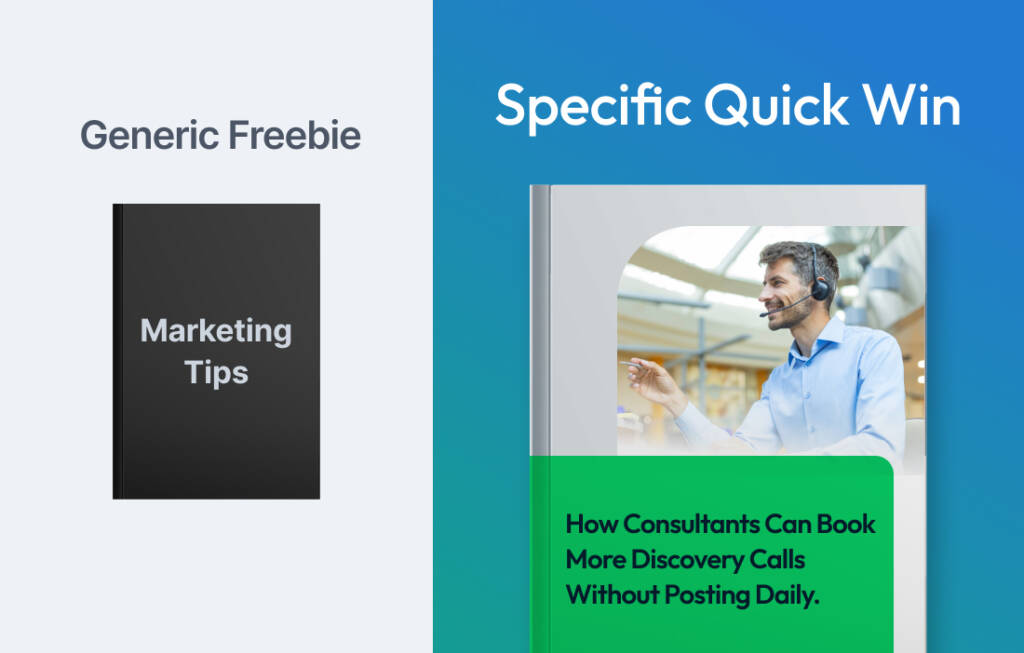
A good lead magnet helps someone solve one specific problem in 10 to 20 minutes or gives them a shortcut to a result they already want.

For example, instead of offering:

“Nutrition Tips for Busy Professionals”

You could offer:

“5 Simple Meal Prep Systems for Executives Who Never Have Time to Cook”

Specificity helps optimize conversion rates because the value feels clearer.

Comparison between generic and specific lead magnet examples

Use a Landing Page With One Clear Goal

Your landing page should focus on one action only: getting the opt-in.

Many website visitors leave pages because the messaging feels confusing or cluttered.

A simple landing page usually works best. Include:

  • A clear headline
  • A short explanation of the benefit
  • An opt-in form or email sign-up form
  • One clear CTA

You can place your opt-in form on your homepage, inside blog posts, in the sidebar, or through a pop-up form that appears at the right moment.

Clarity converts better than complexity.

Drive Traffic Consistently

Even the best lead magnet won’t grow your email list without traffic.

The good news is that you do not need viral content to build momentum.

One reliable traffic source usually outperforms trying to post everywhere at once.

Focus on channels like:

  • SEO blog content
  • YouTube
  • LinkedIn
  • Podcasts
  • Partnerships
  • Webinars

Content marketing works best when you focus on helping rather than constantly selling.

Over time, organic traffic compounds.

A Lead Magnet Alone Won’t Fix the Problem

Most experts don’t struggle because they lack tactics.

They struggle because their audience, offer, and follow-up are disconnected.

The Simple Sales Funnel System helps you turn your knowledge into a clear, sellable offer while showing you how each piece of the funnel works together.

Inside, you’ll learn the four-step system behind:

• Consistent lead generation
• Stronger offers
• Better conversions
• Simpler automation

The Biggest Mistakes People Make

Many experts think they have a traffic problem.

Often, they actually have a system problem.

Growing an Audience Before Clarifying the Offer

It’s difficult to attract the right subscribers if your offer is unclear.

Many people create content consistently but never connect it to a clear business outcome.

As a result, subscribers join the list but never become clients.

Your email marketing strategy should connect directly to the transformation you help people achieve.

Using a Weak Lead Magnet

Not all lead magnets perform well.

Generic PDFs and vague resources usually struggle because they feel low value.

People are already overwhelmed with information.

Your lead magnet should feel practical and immediately useful.

Instead of trying to teach everything, solve one specific problem quickly.

That creates momentum and trust.

Collecting Emails Without Follow-Up

A lot of businesses work hard to get subscribers and then do very little afterward.

That’s a missed opportunity.

Most people need multiple touchpoints before making a buying decision.

A simple email sequence can dramatically improve engagement and conversion rates.

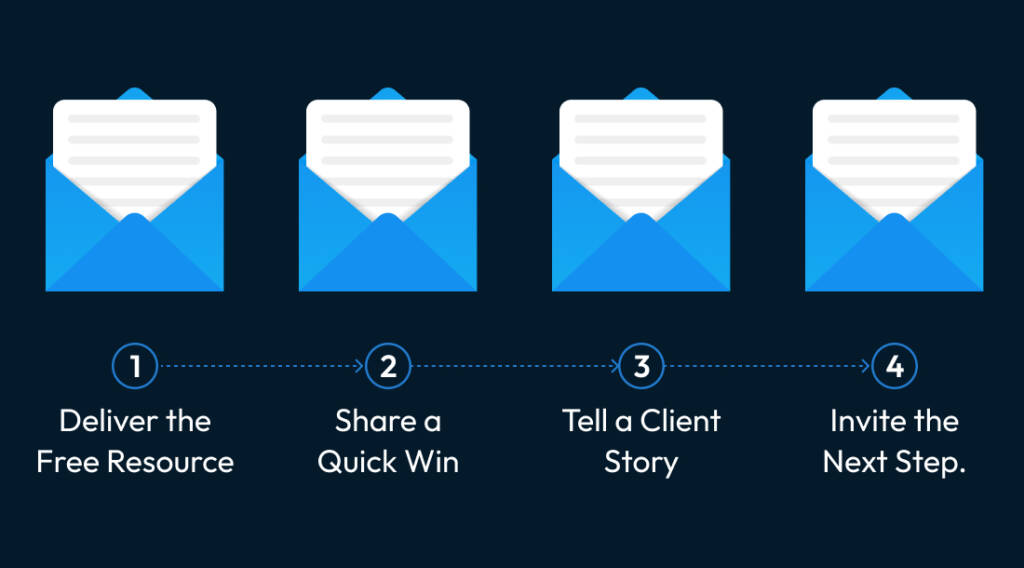
For example:

  1. Deliver the free resource
  2. Share a quick win
  3. Tell a client story
  4. Introduce the next step

Simple email content often works better than complicated automation.

Four-step welcome email sequence for nurturing new subscribers

You should also make it easy for subscribers to unsubscribe if they no longer want your emails. A healthy email list performs better when subscribers genuinely want to hear from you.

Using Too Many Disconnected Tools

This is where many business owners start feeling overwhelmed.

One platform for landing pages.

Another for email automation.

Another for scheduling.

Another for payments.

At first, it feels manageable.

Eventually, it becomes exhausting.

Disconnected marketing tools create friction.

Automation becomes confusing.

Things break.

Important contact information gets scattered.

This is usually the deeper issue behind inconsistent marketing results.

It’s not just an email list problem.

It usually means your traffic, offer, follow-up, and automation are disconnected.

How to Turn Subscribers Into Paying Clients

Getting subscribers is only the beginning.

The real goal is building trust and helping people move toward a buying decision naturally.

Build Trust Before You Sell

People join email lists because they want help, not constant sales pitches.

For example, someone joining a nutrition coach’s email list may want simple meal ideas, while someone joining a leadership consultant’s list may want help managing difficult conversations at work.

Your emails should educate, encourage, and create clarity.

Share:

  • Helpful lessons
  • Client stories
  • Common mistakes
  • Quick wins
  • Personal insights

For example, a career coach could share a client story about overcoming interview anxiety, while a wellness expert might share a simple habit that helped clients feel more energized during the workday.

When subscribers consistently get valuable content from your emails, trust grows.

And trust increases conversions.

People are more likely to buy when your emails help them feel understood, not pressured.

Create a Simple Welcome Sequence

Your welcome sequence is one of the most important parts of your email marketing system.

It shapes first impressions and guides subscribers into your world.

You don’t need a complicated sequence.

A simple four-email structure works well:

  1. Deliver the lead magnet
  2. Share a useful insight
  3. Tell a relatable story
  4. Invite them to take the next step

The goal isn’t pressure. The goal is momentum.

Some businesses also use a double opt-in process to confirm email sign-ups and improve deliverability. This can help keep your list cleaner and more engaged.

Want a Simpler Way to Turn Subscribers Into Clients?

Most subscribers don’t buy immediately.

That’s why conversion depends on more than just email sequences. You need a system that guides people from interest to trust to action.

The Simple Sales Funnel System breaks down how to:

• Nurture leads without feeling salesy
• Create offers people actually want
• Build simple funnels that convert consistently
• Automate follow-up without adding complexity

Make One Clear Offer

Many businesses confuse subscribers by promoting too many unrelated offers.

Simple funnels usually convert better.

Your offer should feel like the natural next step after the lead magnet.

This could be:

  • A sleep coach offering a personalized sleep reset program
  • A financial educator teaching freelancers how to stabilize monthly income
  • A leadership mentor helping first-time managers run better team meetings

When your sales funnel feels connected, subscribers move through the process more naturally.

Use Automation to Stay Consistent

Automation should simplify your business, not complicate it.

Even simple automation tools can help you:

  • Deliver lead magnets automatically
  • Send welcome emails
  • Segment subscribers
  • Follow up consistently

Consistency is one of the biggest drivers of successful email marketing.

Automation helps make consistency easier.

The System Behind Every High-Converting Email List

Most successful online businesses follow the same pattern:

They attract the right audience, present a clear offer, nurture trust through follow-up, and automate the process so it runs consistently.

When one part breaks, growth becomes unpredictable.

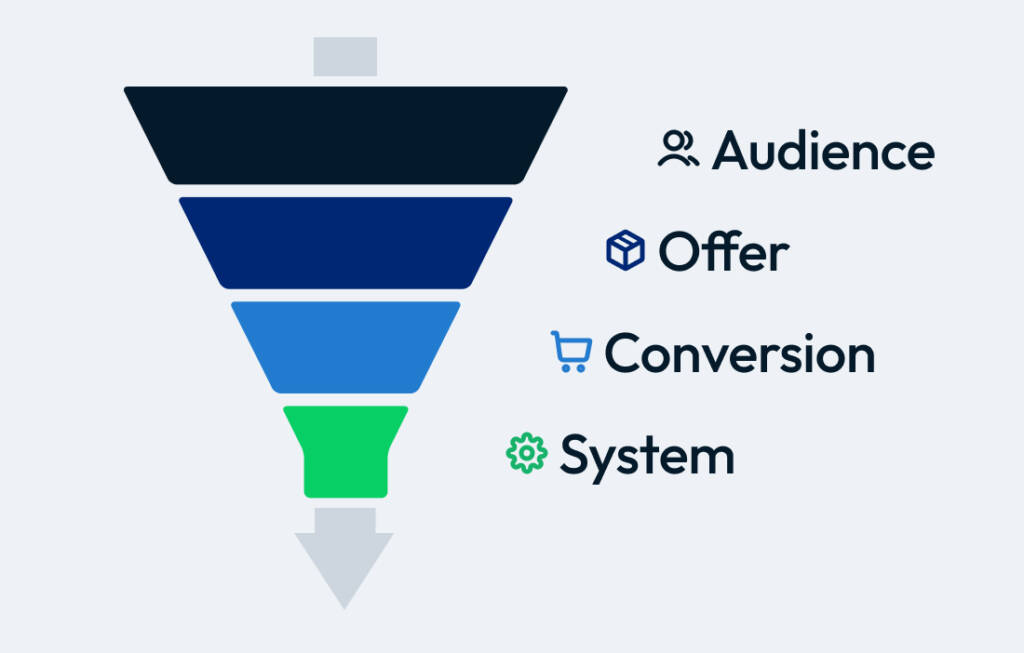
Four-step sales funnel system connecting audience, offer, conversion, and automation

Audience

First, you need a steady way to attract the right people. That includes:

  • SEO content
  • Social media
  • Webinars
  • Partnerships
  • Organic traffic

For example, a therapist might grow through educational YouTube videos, while a financial coach could build an audience through weekly webinars.

Without consistent lead generation, your list eventually stops growing.

For most coaches and consultants, one consistent traffic channel usually works better than trying to be everywhere at once. 

Trying to grow on every platform usually leads to burnout and inconsistent results.

Offer

Next, you need a clear offer.

Many experts have valuable knowledge but struggle to package it into something people can buy easily.

For example, a wellness coach could offer a simple program that helps busy professionals build healthier routines without overhauling their entire schedule.

Conversion

Subscribers rarely become customers instantly.

They need guidance.

That is where nurture emails, stories, and follow-up become important.

The goal is helping subscribers feel confident enough to take action.

System

This is where everything comes together.

When your audience growth, offers, email marketing, and automation all work together, business growth becomes more predictable.

You stop relying on random marketing campaigns.

You stop guessing.

And you create a system that consistently turns attention into leads and leads into clients.

Best Tools to Build and Manage Your Email List

The tools you choose matter more than many people realize.

Not because you need endless features.

But because complexity creates friction.

What to Look For in an Email Marketing Platform

A good email marketing platform should help simplify your workflow.

Look for features like:

  • Landing pages
  • Email sign-up forms
  • Email automation
  • CRM tools
  • Analytics

The goal isn’t having the most advanced setup.

The goal is having a system you can actually use consistently.

Why Simplicity Matters

Many entrepreneurs buy too many marketing tools too early, then spend more time troubleshooting tools than actually serving clients.

Eventually, simple marketing tasks start taking far longer than they should.

That creates stress and slows down execution.

Simple systems often outperform complicated ones because they are easier to maintain.

How an All-in-One Platform Helps

An all-in-one platform helps reduce friction by keeping your tools connected.

Instead of managing separate systems for:

  • Landing pages
  • Email marketing software
  • Automation tools
  • Customer management
  • Sales funnels

You can manage everything in one place.

Comparison between disconnected marketing tools and an all-in-one platform system

That makes it easier to improve conversion rates, track results, and create a smoother customer experience.

Popular platforms like Mailchimp and ConvertKit can help with basic email marketing.

But many growing businesses eventually need systems that connect their funnels, automation, and customer data in one place.

You should also make sure your platform supports GDPR compliance, protects subscriber contact information, and helps improve email deliverability.

Final Thoughts

Most experts do not need more marketing tactics.

They need a simpler system.

An email list can become one of the most valuable assets in your business. But only when it connects to the bigger picture.

Audience growth.

Offers.

Follow-up.

Automation.

When those pieces work together, marketing starts feeling less chaotic and more predictable.

You stop chasing random strategies.

You start building a business designed to grow consistently.

And that creates something many business owners quietly want more than growth alone: a business that feels calmer to run.

More predictable income.

And more time to actually enjoy the life they built it for.

Your Email List Should Make Your Business Simpler, Not Harder

An email list works best when everything supports it.

Traffic.
Offers.
Follow-up.
Automation.

When those pieces work together, growth becomes more predictable and far less overwhelming.

The Simple Sales Funnel System shows you how to connect the entire process into one streamlined system designed to turn leads into paying clients.