
Course Creation Without an Audience

Course creation without an audience is possible, but it should start with validation, not curriculum. Before building a full course, you need to test whether a specific group of people wants the outcome, understands the problem, trusts your approach, and is willing to take a next step.

The mistake is thinking an audience has to come before the course. In reality, audience and course development can happen together. You can use a focused problem, a small lead magnet, a waitlist, discovery calls, paid workshops, beta cohorts, or pre-sale conversations to learn what people actually want before you spend weeks building lessons no one asked for.

A large audience can make course promotion easier. It does not automatically make the course good. A small audience with a clear pain point is often more useful than a large, unfocused following.

Kartra fits this topic because creating a course without an audience usually requires a connected validation path: landing page, form, email follow-up, sales page, checkout, and course delivery. Kartra’s online course platform page covers course creation and selling, and Kartra’s broader features page positions the platform across landing pages, email marketing, automation, checkouts, memberships, and related online-business tools.

Can you create an online course without an audience?

Yes, you can create an online course without an audience, but you should not build the full course before proving that the offer has demand. The better path is to validate the problem, attract a small group of interested prospects, test the promise, and build the course around what buyers actually need.

An audience is not the same as demand. A person can follow you and never buy. Another person may not know you yet but may urgently want the result your course helps them achieve. That second person is more important for course validation.

This is where many first-time course creators get trapped. They believe the course must be finished before they can talk about it. So they build modules, record videos, design slides, name lessons, and polish the portal before a real buyer has confirmed the problem matters.

That feels productive. It is often avoidance.

The first job is not to create every lesson. The first job is to find out whether the course promise earns attention from the right people.

Start with a narrow course promise

A course without an audience needs a sharper promise because you do not have years of trust carrying the offer. The promise has to make the right person stop and think, “That is for me.”

A broad promise sounds like “learn marketing,” “get healthier,” “become more productive,” or “start a business.” Those topics may be valuable, but they are hard to sell cold because the buyer cannot quickly understand the specific result.

A sharper promise sounds like “build a five-email welcome sequence for your coaching offer,” “create a client onboarding process for your consulting business,” or “plan your first paid workshop for a niche service audience.”

The narrower promise does three things. It tells you who the course is for. It tells the buyer what problem you solve. It tells your content what it should include and what it should leave out.

That last part matters. Without an audience, creators often overbuild because they are trying to make the course feel worthy. A narrow promise keeps the course lean enough to validate.

Kartra’s course platform page describes course building and selling alongside capabilities such as course portals, content dripping, email marketing, and checkout-related selling tools. For a new course creator, that matters because the course promise should connect to how the course will be sold and delivered, not just how it will be organized inside a portal.

Validate the problem before building the curriculum

Problem validation means proving that the buyer recognizes the pain, wants the outcome, and is willing to take action. It does not mean asking friends whether your course idea sounds interesting.

Interest is cheap. Commitment is better.

A stronger validation path starts with conversations, search behavior, community questions, lead magnet signups, waitlist joins, workshop registrations, or small paid offers. You are looking for signals that people are not just being polite. They are trying to solve the problem.

For example, a creator wants to build a course about “personal branding for freelancers.” That is broad. Instead of building twelve modules, they could test a smaller promise: “Create a one-page service positioning statement for freelance designers.” They could publish educational content around positioning mistakes, offer a worksheet, invite people to a workshop, and track whether people opt in, reply, ask questions, or pay for deeper help.

That is course research in the open.

A course without an audience should be built from evidence. Not perfect evidence. Not statistical certainty. Just enough real-world signal to avoid building in a vacuum.

Build a landing page before building the full course

A landing page gives your course idea a public test. It forces you to explain the promise, audience, outcome, format, and next step before the course is finished.

This is useful because writing the page reveals weak thinking. If the headline feels vague, the course probably is too. If the outcome is hard to explain, the curriculum may be unfocused. If the right person would not understand why the course matters, the offer needs more work before production.

The landing page does not need to be complicated. It should explain who the course is for, what problem it helps solve, what the learner will be able to do, what format you are considering, and what action the visitor should take now. That action might be joining a waitlist, downloading a related resource, registering for a workshop, answering a survey, or applying for a beta cohort.

Kartra’s landing page builder page is relevant because a course validation page often needs to connect to forms, domains, and funnel paths rather than sit alone. Kartra’s sales funnel software page also describes a connected sales pipeline across pages, funnels, email lists, checkouts, and automations.

A product-led next step belongs here: if your course idea is still unproven, use Kartra to build a simple validation path before building the full course. The goal is not to create a complex launch funnel. The goal is to see whether the right people take the next step.

Use a lead magnet to find early course prospects

A lead magnet helps you identify people who care about the problem your course will solve. It should not be random free content. It should be a small, useful preview of the course’s core outcome.

A strong lead magnet gives the prospect a first step. If the course helps consultants create a client onboarding system, the lead magnet might be an onboarding checklist. If the course helps coaches build a welcome email sequence, the lead magnet might be a sequence planning worksheet. If the course helps creators sell digital products, the lead magnet might be an offer clarity template.

The lead magnet is not just a list-building tool. It is a demand signal. If no one wants the free first step, the paid course promise may need work.

Kartra’s form builder page is relevant because lead magnets usually depend on opt-in forms, custom fields, and form placement inside pages or websites. Kartra’s approved workflow guidance also supports discussing forms, contacts, lists, tags, email sequences, and automation as part of a connected lead-capture process.

Do not judge the course idea only by signup volume. Judge the quality of the signal. Are the right people signing up? Do they reply? Do they ask follow-up questions? Do they describe the problem in the same language you use? That language can become your sales page.

Grow the audience around the course problem

When you do not have an audience, build around the problem your course solves instead of building around your personality alone.

This is a quieter but stronger approach. Your content should repeatedly answer the questions your future buyers already have. What causes the problem? What mistakes do people make? What should they do first? What tools do they need? What should they avoid? How do they know they are ready? What does a finished result look like?

A future course on client onboarding might create content about intake forms, kickoff calls, welcome emails, scope boundaries, client communication, and project handoff. A course on selling workshops might create content about workshop promises, registration pages, email invitations, checkout options, and replay delivery.

That content builds search relevance and buyer awareness at the same time.

This is where authority routing matters. Educational content should lead naturally into the next useful page. A reader learning about course validation may need a landing page builder, form builder, email automation, sales funnel software, or course platform page depending on where they are in the journey. Kartra’s broader features page can support readers who are still mapping the full online-business system, while more specific feature pages can support readers ready to implement a particular step.

The point is not to publish endlessly. The point is to make your expertise findable around the problem you plan to solve.

Build a waitlist that asks useful questions

A waitlist should do more than collect email addresses. It should help you understand who is interested, what they want, and what would make the course worth buying.

A weak waitlist says, “Join the waitlist.” A stronger waitlist explains the course promise and asks one or two useful questions. What are you trying to build? What is your biggest obstacle? Have you tried solving this before? What would make this course useful for you?

Those answers can shape the course. They can reveal language for the sales page. They can also show you whether the interested people match the course you were planning to build.

This matters because without an audience, you cannot afford to ignore the few signals you do have.

Laptop screen showing email automation.

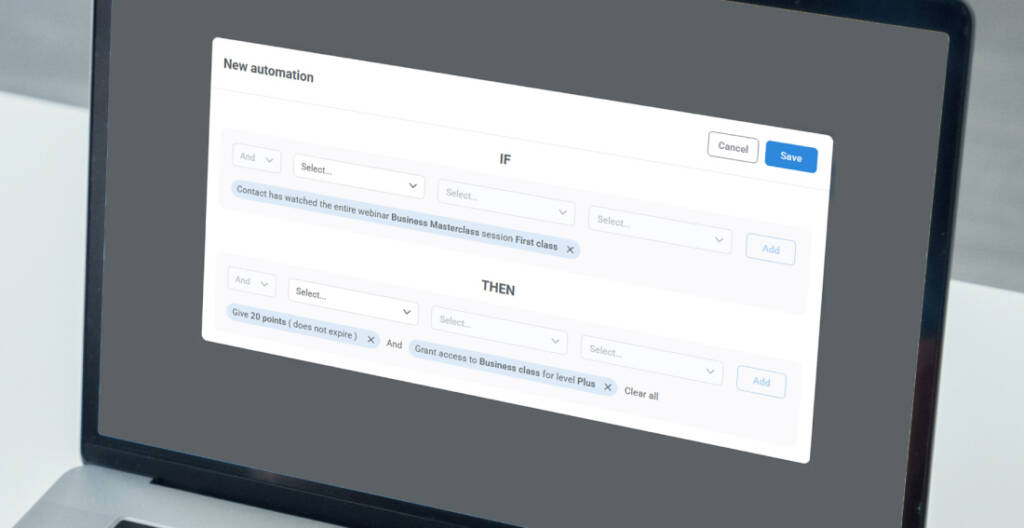
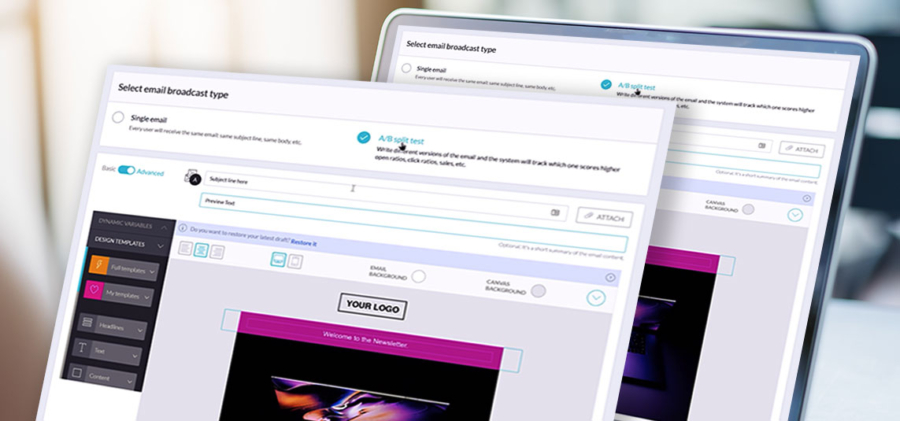
Kartra’s email automation software page is relevant after the waitlist because the follow-up is where trust develops. The page describes campaigns, sequences, tags, lists, behavioral automation, and customer journeys. For course validation, that means waitlist subscribers can receive relevant updates, education, and invitations based on the path they entered.

A product-led CTA should stay practical: if your first course starts with a waitlist, set up the form and email sequence before you announce it. A waitlist without follow-up is just a spreadsheet with better branding.

Pre-sell carefully, but do not fake certainty

Pre-selling can help validate a course before you build the full curriculum. It works best when the promise is clear, the format is honest, and the buyer knows what exists now versus what will be delivered later.

A pre-sale does not have to mean selling a finished course that does not exist. It could mean selling a live workshop that becomes the first course module. It could mean offering a beta cohort at a founding price. It could mean inviting a small group into a guided version of the course before turning it into self-paced content.

The important part is transparency. Do not imply a polished, complete course if you are still building the first version. Explain the format plainly. Tell buyers what they will receive, when they will receive it, and how the beta or early version works.

This protects trust. It also gives you better feedback because early buyers understand they are part of a first version.

Kartra’s shopping cart and checkout-related capabilities are relevant when a course creator is ready to test payment, but this article should avoid unsupported claims about plan limits, payment processors, or pricing terms. Kartra’s current course page links course selling with checkout, paid and free course structures, special offers, subscriptions, content access, and email follow-up. Feature details should be verified directly before launch because pricing and availability can change.

Start with the smallest paid version

The first paid version of a course should usually be smaller than the course you imagine. That does not mean lower quality. It means narrower scope.

A small paid version might be a live workshop, a short implementation sprint, a template plus training, a beta cohort, or a guided challenge. The goal is to test whether people will pay for the outcome and where they get stuck.

A full course can hide problems. If students do not finish, you may not know whether the issue is the topic, the pacing, the lessons, the promise, or the wrong audience. A smaller version gives you faster feedback.

For example, instead of building “The Complete Course on Freelance Client Systems,” a creator could sell “Build Your Client Onboarding Checklist in One Workshop.” That small paid offer tests the audience, problem, and teaching approach. If buyers respond well, the creator can expand into a deeper course with more confidence.

The blunt rule: do not build a cathedral when you have not proven anyone wants the front door.

Design the course from buyer questions

Once you have conversations, waitlist replies, workshop questions, lead magnet responses, or beta feedback, use that information to design the course.

The curriculum should follow the learner’s path from current problem to desired outcome. It should not follow the order in which you personally learned the topic. Those are often different.

A beginner may need context before tactics. An experienced buyer may need diagnosis before templates. A busy professional may need fewer lessons and more examples. A nervous first-time buyer may need reassurance that they are starting in the right place.

This is why audience-building and course-building should happen together. Every useful question from a prospect can become a lesson, example, objection answer, onboarding email, or sales page section.

Kartra’s approved course and membership workflow guidance recommends designing the learning path before uploading content, pacing content intentionally, and planning post-purchase onboarding and support. That guidance is especially important for creators without an existing audience because the first course needs to feel clear quickly.

Create the sales path before launch day

Launch day should not be the first time your course has a sales path. The sales path should be mapped before the offer is public.

A basic sales path might start with search or social content, move to a lead magnet, continue through an email sequence, route interested subscribers to a sales page, and send buyers through checkout into course access. A higher-touch path might include an application, webinar, workshop, or booking step before purchase.

Kartra’s sales funnel software page describes connected pages, funnels, email lists, checkouts, and automations as part of a sales pipeline. That makes it a natural internal authority route for readers who understand the course idea but need to connect the marketing and purchase path.

This is where a course without an audience becomes more realistic. You are not waiting for thousands of followers. You are building a small path that turns targeted attention into a measurable next step.

A small list with a clear offer can teach you more than a large audience that does not know why it follows you.

Plan delivery and onboarding early

Course delivery should be planned before buyers arrive. That includes access, first-step instructions, lesson structure, support expectations, and what happens if a student stalls.

A new course creator may be tempted to focus only on sales because the audience is small. But the first students are important. Their experience can reveal what the course needs, where the promise is unclear, and what support materials are missing.

Kartra’s online course platform page includes course portals, content dripping, automated notifications, comments and moderation, support references, access levels, subscriptions, email marketing, engagement tracking, content dripping, multimedia content, and analytics. Some page language includes promotional claims and plan-specific details, so final purchase decisions should be verified directly on current Kartra pages.

A product-led CTA fits naturally here: if your first course needs sales pages, checkout, protected access, content pacing, and onboarding emails to work together, review Kartra’s online course platform before piecing together a separate stack. The goal is a clearer student path, not a larger tool collection.

Worked example: launching a course without an audience

Imagine a consultant wants to create a course for solo service providers called “Build Your First Client Onboarding System.” They have no large email list and only a small social presence.

The weak approach is to record eight modules, design a course portal, announce it once, and hope people buy. If sales are weak, the creator will not know whether the problem was the topic, the audience, the price, the sales page, the traffic source, or the offer promise.

A stronger approach starts smaller. The consultant writes a sharp promise: “Create a repeatable client onboarding checklist, intake form, and welcome email for your next new client.” Then they build a landing page for a free “Client Onboarding Mistakes” worksheet. The form asks one useful question: “What part of onboarding feels most messy right now?”

After people opt in, they receive a short email sequence. The first email delivers the worksheet. The second explains why onboarding breaks after the sale. The third shows a simple onboarding path. The fourth invites subscribers to a paid live workshop.

The paid workshop becomes the first version of the course. During the workshop, the consultant watches where people get stuck. The questions become lessons. The examples become templates. The objections become sales page copy. The workshop recording becomes a course asset.

After the first paid version, the consultant can decide whether to expand into a self-paced course, guided cohort, or course-supported coaching offer.

If built in Kartra, the path could include a landing page, opt-in form, email sequence, sales page, checkout, course access, and onboarding follow-up. That aligns with Kartra’s safe positioning around connected lead capture, nurturing, checkout, content delivery, and customer follow-up.

That is course creation without an audience. Not guessing. Learning in public with a path.

Common mistakes when creating a course without an audience

The most common mistake is building too much before anyone has shown demand. A finished course can feel like progress, but if the promise is untested, all that production may only make the mistake more expensive.

Another mistake is confusing compliments with validation. People may say your idea sounds helpful because they want to be supportive. Validation requires behavior: joining a waitlist, answering questions, registering for a workshop, paying for a beta, or asking how to get the result.

Creators also choose topics that are too broad. A broad course needs more trust, more positioning, and more sales education. A narrow course gives cold prospects a clearer reason to care.

The final mistake is trying to launch like someone who already has a large audience. Big launch tactics can fail when there is no list, no traffic, and no demand signal. A smaller validation path is usually better.

A first course should teach you as much as it teaches the student.

A practical course-without-audience checklist in paragraph form

Before building the full course, define the specific audience, problem, promised outcome, and reason the problem matters now. Create a landing page that explains the idea clearly. Offer a lead magnet or waitlist that tests whether the right people care. Ask useful questions when people opt in. Use email follow-up to educate, learn, and invite a next step. Consider a small paid workshop, beta cohort, or guided version before building a full self-paced course. Turn buyer questions and feedback into the curriculum. Then build the course delivery path only after the offer has real signals behind it.

If that feels slower than recording the course immediately, it is. It is also safer.

FAQ

Can I create an online course without an audience?

Yes, you can create an online course without an audience, but you should validate the course idea before building the full curriculum. Start with a narrow problem, a landing page, a lead magnet, a waitlist, discovery conversations, or a small paid workshop to test demand.

How do I sell a course if I have no followers?

Sell a course without followers by focusing on a specific problem and building a small validation path. Use search-friendly content, community participation, partnerships, lead magnets, waitlists, workshops, or direct outreach to find people who already care about the result.

Should I build the course before selling it?

You do not need to build the full course before testing the offer. A beta cohort, live workshop, paid pilot, or pre-sale can help validate demand first. Be transparent about what is available now and what will be delivered later.

What is the best first course to create without an audience?

The best first course without an audience is narrow, outcome-driven, and easy to explain. It should solve one specific problem for one specific group of people rather than trying to cover an entire topic.

How do I build an email list for a course?

Build an email list for a course by offering a lead magnet related to the course outcome, such as a checklist, worksheet, template, diagnostic, sample lesson, or workshop registration. Follow up with emails that educate, answer objections, and invite the reader to the next step.

Can Kartra help with course creation without an audience?

Kartra can support course creators who need landing pages, forms, email automation, checkout, online course delivery, and related customer follow-up in one connected process. Feature availability, pricing, and plan details should be verified on current Kartra pages before choosing a setup.

Final take

Course creation without an audience is not about skipping audience-building. It is about building the course and the audience around the same validated problem.

Start with a narrow promise. Test whether the right people care. Build a landing page, lead magnet, waitlist, or small paid offer before producing the full course. Use questions, replies, and early buyer behavior to shape the curriculum. Then build the sales and delivery path around what you have learned.

If your course idea needs a connected path from landing page to form, email follow-up, sales page, checkout, course access, and onboarding, Kartra is built around that kind of online business process. Start with Kartra’s online course platform, then route readers who need the validation and sales path to landing page builder, form builder, email automation software, sales funnel software, and the broader Kartra features page as the course system becomes more complete.