




Market
market
Scale
Coaching is more than guiding clients toward success—it’s about building relationships, earning trust, and showcasing your expertise. But how do you stand out in a crowded market and attract potential clients to your coaching business? The answer lies in content marketing.
Content is the key to connecting with your ideal client, whether you’re a life coach helping with personal growth, a health coach promoting wellness, or a business coach providing strategic guidance.
By sharing valuable information on your blog, social media, or to your email list, you establish yourself as a thought leader and create opportunities to grow your coaching practice.
In this guide, we’ll explore actionable content ideas for your coaching business. Ready to level up your content creation game? Let’s dive in!
Personal stories are one of the most effective ways to build trust and connect with your audience. By sharing your struggles, breakthroughs, and transformative moments, you show potential clients that you understand their challenges because you’ve experienced similar ones.

Highlight key moments in your coaching career or life that shaped who you are today, such as a coaching session that brought clarity or a personal challenge that inspired your practice.
Share stories that align with your ideal client’s pain points. For example, if your audience struggles with self-doubt, recount a time you had self-doubt yourself.
Every story should include a clear before-and-after. Outline where you started, the steps you took, and the success you achieved to inspire your audience to envision their own growth.
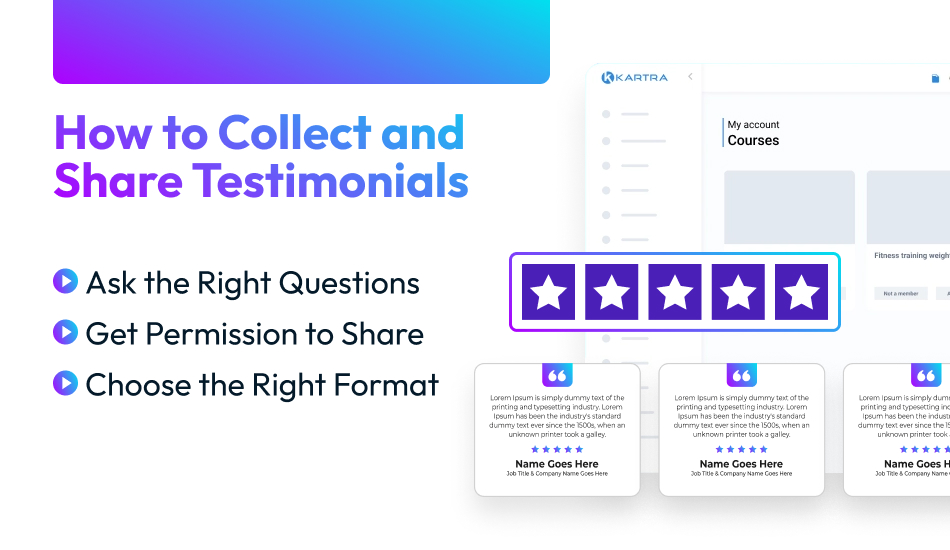
Client success stories and testimonials are powerful tools for building trust and credibility in your coaching business. Potential clients want proof that your coaching practice delivers results, and nothing is more persuasive than real-life examples of how you’ve helped others.

Gathering testimonials from your coaching clients doesn’t have to be complicated. Here are a few steps to ensure you get compelling stories:
When requesting feedback, prompt your clients with specific questions, such as:
Always confirm with your clients that they’re comfortable with you sharing their stories. If possible, include their first name and a photo to make the testimonial more authentic.
Decide how to present testimonials. Some options are:
Lead magnets are one of the most effective tools for attracting potential clients and growing your email list.
What is a lead magnet? It’s a free resource that provides immediate value to your audience in exchange for their contact information.
By offering valuable lead magnets tailored to your coaching niche, you can:
Lead magnets are the first step in turning casual visitors into loyal followers and eventually into paying clients.

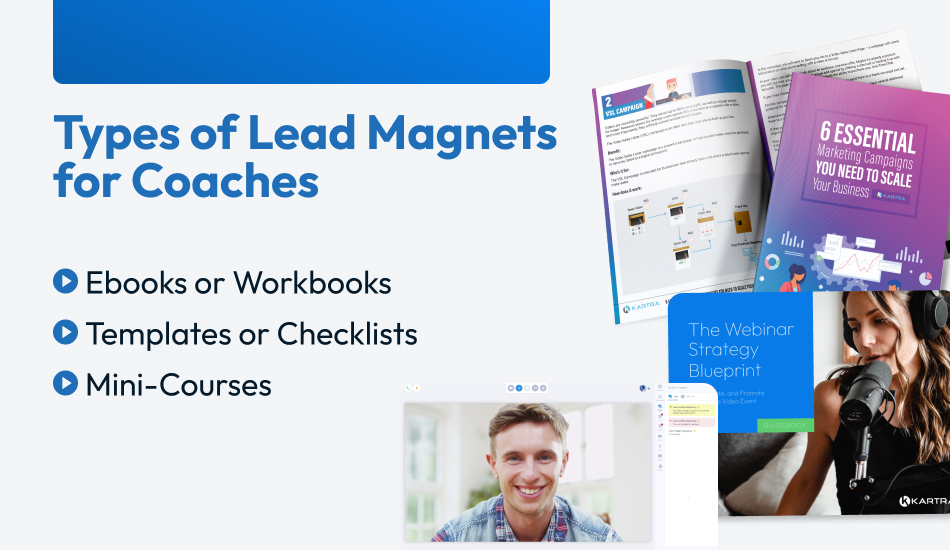
Choosing the right type of lead magnet depends on your coaching niche and the needs of your ideal client. Here are some examples of lead magnets that work well for coaches:
Written resources allow you to share your expertise in a format that’s easy to consume. For example:
Simple and actionable, templates and checklists help your audience achieve quick wins. For example:
Provide a condensed version of your coaching expertise through a short online course (learn how to create an online course here). This gives potential clients a taste of your coaching style while delivering immediate value.
Blogs and articles are cornerstones of a successful content strategy for coaches. They allow you to share in-depth knowledge, establish yourself as a thought leader, and improve your search engine rankings.
Whether you’re a life coach, business coach, or health coach, blogging provides a platform to connect with your audience and address their challenges. By creating valuable, SEO-optimized articles, you can:
Blogs are more than just valuable content—they’re a way to showcase your expertise in a “deep dive” way and help your target audience see the value of working with you.

To create great content that resonates, follow these best practices:
Identify what you want your audience to learn or achieve by reading your article.
Incorporate relevant keywords to improve your rankings and make your content easier to find. Use tools like Clearscope or SEMrush to guide your keyword choices.
Break up your content with subheadings, bullet points, and short paragraphs.
Guide readers toward the next step, whether it’s downloading a lead magnet, booking a discovery call, or reading another blog post.
Webinars are one of the most effective ways to showcase your expertise, engage directly with your audience, and attract coaching clients. They provide an interactive platform where you can share valuable insights, answer questions in real time, and demonstrate the transformative power of your coaching practice.

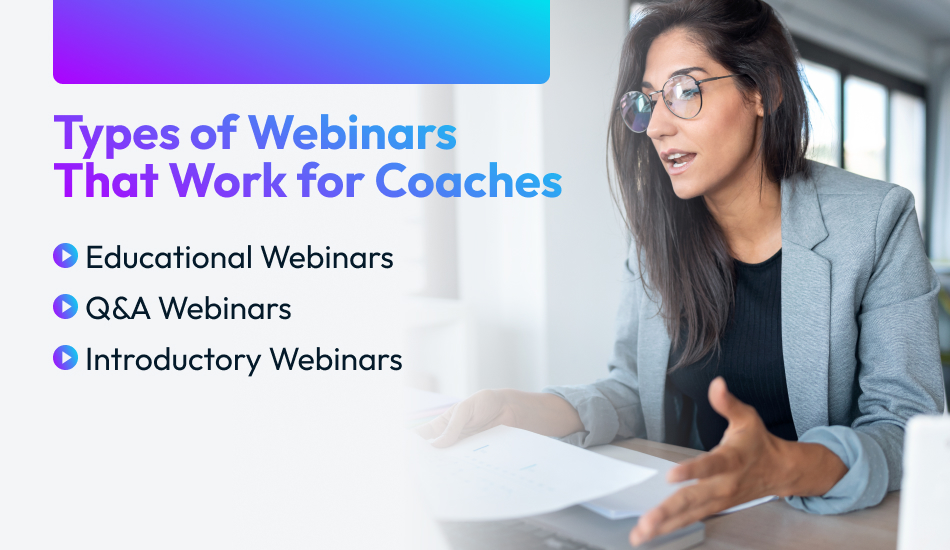
The key for how to create a webinar that’s successful is choosing a topic that resonates with your audience and aligns with your coaching niche. Here are some effective webinar ideas:
Teach your audience something actionable and valuable, such as:
Host a live question-and-answer session where participants can ask about challenges related to your niche. This format helps establish your expertise while addressing specific audience needs.
Give potential clients a glimpse of your coaching style with a webinar that introduces your methods, philosophy, and the value you provide.
Quick tips and tricks are an excellent way to provide value to your audience while keeping your content digestible and engaging. In a world where attention spans are short, these bite-sized pieces of advice grab attention and deliver immediate benefits.
The best quick tips address common challenges your target audience faces and align with your coaching niche. Here are some ideas to inspire you:
Share simple steps that help your audience get more done. For example:
Provide actionable advice to improve health and well-being. For instance:
Break down a simple process into a few steps. For instance:
Podcasts are a dynamic and personal way to connect with your audience. They allow you to share your expertise, dive deep into your coaching niche, and reach potential clients who prefer consuming content on the go.

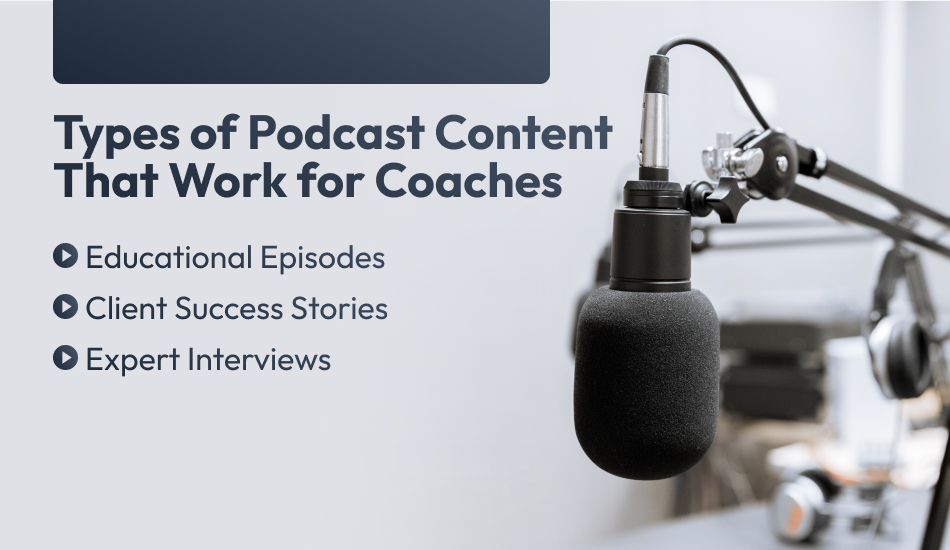
When planning your podcast, focus on topics that resonate with your audience and align with your coaching niche. Here are some popular podcast formats:
Teach your listeners actionable tips or strategies. For example:
Feature interviews or case studies highlighting transformations your clients have experienced. These episodes inspire potential clients and build credibility.
Bring on thought leaders or specialists in your field to discuss relevant topics. For instance:
Interactive content is one of the most effective ways to engage your audience, learn more about their needs, and build a connection with potential clients. By inviting your audience to participate, you create a two-way interaction that fosters trust and deepens relationships.
Interactive content comes in many forms, and each can serve a specific purpose for your coaching business. For instance, you can use Instagram Stories for quick polls, LinkedIn for professional surveys, or your email newsletter for detailed quizzes. Here are some topic ideas:
Ask your audience questions that are quick and easy to answer. For example:
Host a real-time session on social media platforms like Instagram, TikTok, or LinkedIn where your audience can ask questions about your coaching niche. Examples:
Create interactive quizzes that align with your coaching practice. For instance:

Marketing for coaches is like marketing for any other business niche: tracking the performance of your content is essential for understanding what works and refining your content marketing strategy.
By regularly reviewing your metrics, you can identify patterns in your content’s performance and make data-driven decisions to optimize your strategy.
Here are the key metrics to focus on:
Look at likes, comments, shares, and saves on social media posts to see how your audience is interacting with your content.
Track how many potential clients sign up for your lead magnets, such as webinars or templates. This shows how effective your content is at moving people through your funnel.
Monitor where your blog posts and articles rank on search engines for relevant keywords. Higher rankings mean more visibility to your target audience.
Check how much traffic your content drives to your coaching business website. Use tools like Google Analytics to see which pieces of content generate the most visits.
Even the best content strategy requires fine-tuning. Use the data from your metrics to adjust your approach and create content that resonates more deeply with your audience.
Identify which type of content—blogs, short videos, or case studies—gets the most engagement and focus on creating more of that.
If certain posts are underperforming, try experimenting with different formats, captions, or posting times.
Refresh older blog posts or social media content with updated information to keep it relevant and improve its performance in search rankings.
Content is the backbone of a thriving coaching business. By sharing valuable information, engaging stories, and actionable tips, you can connect with your ideal clients, build trust, and establish yourself as a thought leader in your coaching niche.
Remember, the key to success lies in understanding your audience and delivering the kind of content that resonates with them. From personal stories and client testimonials to interactive content and industry insights, your content should reflect the unique value your coaching business offers.
Now it’s time to put these strategies into action! And Kartra helps you get started. Its marketing software lets you manage your email list, leads, and website conversions–all in one place.
Get started with Kartra today and see how you can turn content marketing into revenue growth.