Landing Workflows vs. Standard Sites

A standard website helps visitors explore a brand. A landing workflow guides a specific visitor toward a specific action, then connects that action to follow-up, segmentation, checkout, booking, or delivery.

That is the core difference. A standard site is built for browsing. A landing workflow is built for movement.

Neither structure is automatically better. A standard website is useful when people need to learn who you are, compare services, read about your company, explore content, or find general information. A landing workflow is useful when the visitor arrives from a campaign, lead magnet, ad, webinar, email, affiliate link, social post, or specific offer and needs a clear next step.

Kartra fits this topic because landing workflows usually require more than a page. The page may need forms, email automation, funnel logic, checkout, lead tracking, and analytics to work together. Kartra’s broader features page positions the platform across landing pages, email marketing, automation, memberships, checkouts, and related online-business tools, while its sales funnel software page focuses on connected funnel paths for leads and sales.

What is a landing workflow?

A landing workflow is a connected path that starts with a focused page and continues through the visitor’s next action. That action might be submitting a form, joining a list, booking a call, watching a training, starting a checkout, downloading a resource, or entering an email sequence.

The word “workflow” matters. A landing page by itself is only the visible surface. The real system includes the promise on the page, the form or button, the thank-you step, the tag or segment, the follow-up emails, the sales page, the booking page, the checkout, and the measurement that tells you what happened.

A standard site might say, “Here is everything we do.” A landing workflow says, “Here is the one thing you came for, and here is the next step.”

That narrower focus is the point.

A landing workflow is especially useful when the traffic source already tells you something about intent. Someone clicking from an email about a lead magnet should not land on a general homepage. Someone registering for a workshop should not have to navigate through your services menu. Someone ready to buy a digital product should not be sent to a brand overview page before checkout.

The path should match the promise that brought them there.

What is a standard website?

A standard website is a broader digital home for a business, brand, creator, or organization. It usually includes pages such as home, about, services, products, blog, contact, pricing, case studies, resources, and support.

A standard site is useful because not every visitor arrives with the same intent. Some are researching. Some are checking credibility. Some are comparing options. Some are looking for support. Some are not ready to take action yet.

That browsing behavior matters. If a visitor wants to understand the company, read several resources, compare offers, or learn how the brand thinks, a standard site can support that exploration better than a narrow landing page.

The mistake is expecting a standard site to do every job equally well. A homepage can introduce the brand. It usually should not be expected to convert every campaign visitor, qualify every lead, sell every offer, explain every product, and route every segment perfectly.

A standard website gives people a place to explore. A landing workflow gives them a path to follow.

The main difference is intent

The main difference between landing workflows and standard sites is visitor intent. Standard sites serve mixed intent. Landing workflows serve specific intent.

A visitor on a standard website may be asking, “Who are you?” “What do you offer?” “Can I trust this company?” “Do you have resources?” “How do I contact you?” That visitor may need options.

A visitor in a landing workflow is usually asking something narrower. “Can I get the checklist?” “Is this webinar for me?” “Should I book this call?” “Is this product worth buying?” “Can I access this course?” That visitor needs clarity more than options.

This is where many businesses create friction. They send high-intent traffic to a general site and force the visitor to hunt. The business then blames the traffic, the offer, or the design. Sometimes the problem is simpler: the page did not match the visitor’s reason for clicking.

A landing workflow should reduce decisions. A standard site can allow exploration.

That is not a small distinction. It changes how you write the page, place links, design navigation, use forms, trigger follow-up, and measure performance.

Use a standard site for authority and exploration

A standard website is the better structure when authority-building, brand education, content discovery, or general navigation is the goal.

A coach, consultant, course creator, agency, or software company still needs a place where visitors can understand the broader business. A strong site can host educational content, explain the brand’s point of view, organize product or service categories, answer common questions, and give visitors confidence that the business is real.

This is especially important for search traffic. Someone finding a blog article may not be ready for a specific offer. They may want context first. A standard site can route them from informational content to deeper resources, feature pages, comparison pages, product pages, and eventually a focused conversion path.

Authority routing belongs here. A blog article about online courses might route to an online course platform page. A page about funnels might route to sales funnel software. A piece about lead generation might route to form builder or lead management content. The internal links should help readers move from education to the most relevant next step.

Kartra’s features page is a useful broad destination because it organizes the platform across major business functions, including landing pages, email marketing, automation, memberships, and checkouts. For readers still exploring how the pieces fit together, a broader feature hub can make more sense than sending everyone straight to a checkout or demo page.

Use a landing workflow for campaigns and specific offers

A landing workflow is the better structure when a visitor arrives with a specific reason to act. That reason might come from an ad, email campaign, social campaign, webinar invitation, affiliate promotion, podcast link, QR code, lead magnet, product launch, or event registration.

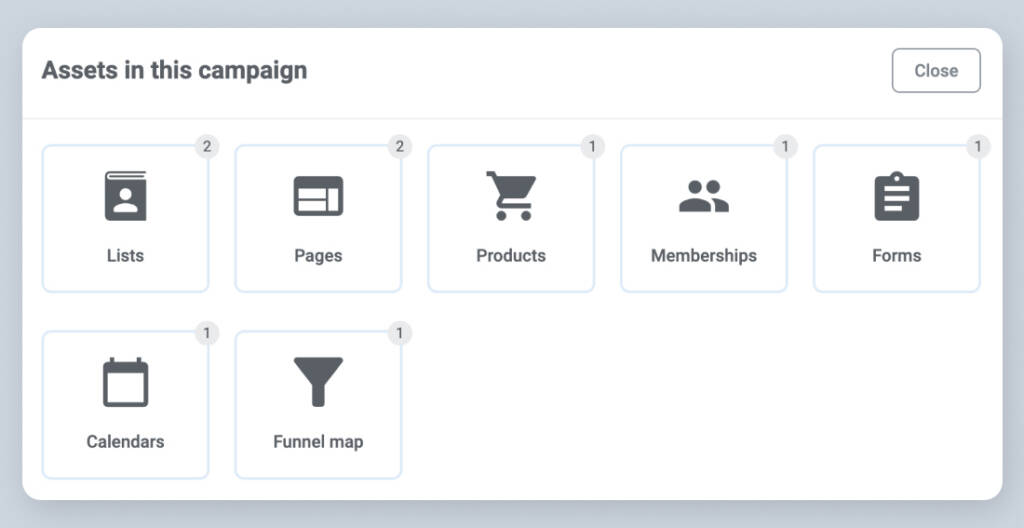
Different segment of a campaign shown in thumbnail graphics with icons.

The landing workflow should keep the promise tight. If the ad promises a pricing worksheet, the page should focus on the worksheet. If the email promotes a coaching call, the page should explain the call. If the campaign promotes a digital product, the page should make the product clear and route the buyer toward checkout.

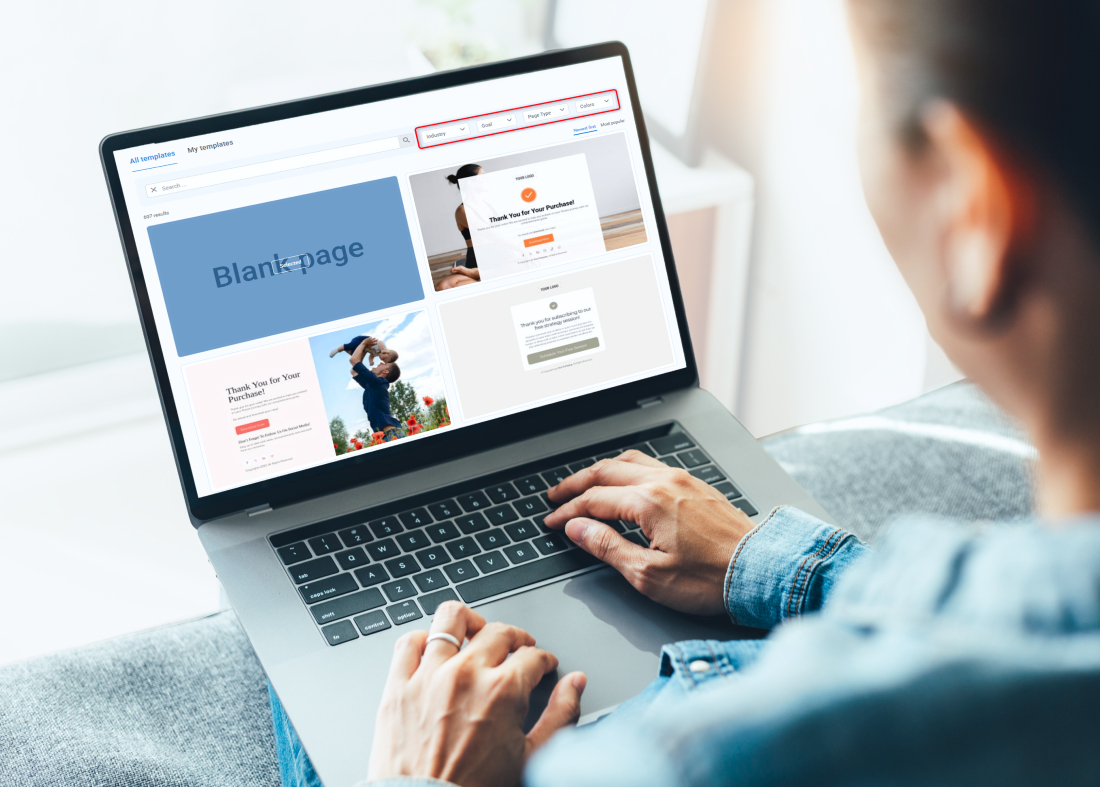
Kartra’s landing page builder page describes landing pages, templates, forms, domains, and websites, while Kartra’s form builder page describes form placements within pages, videos, or websites. Those two areas are closely related because landing workflows often begin with a focused page and continue through a form submission.

A product-led next step fits naturally here: if your campaign needs a page, form, thank-you step, and email follow-up, build it as a workflow rather than a standalone page. The page should not be the end of the planning process. It should be the first visible step in a connected path.

Navigation is the biggest structural difference

Standard sites usually need navigation. Landing workflows often need restraint.

A standard website benefits from a clear menu because visitors may need to browse multiple sections. They may want to read about the company, compare services, view pricing, explore a blog, contact support, or learn about different products.

A landing workflow has a different job. Too many navigation choices can weaken the page’s focus. If the visitor came for one offer, every extra link can become an exit path. That does not mean a landing page should hide essential information. It means the page should not behave like a homepage.

For a lead magnet, the page might need a headline, explanation, opt-in form, credibility cues, privacy note, and a simple next step. For a booking workflow, it might need qualification copy, a form, calendar, expectations, and confirmation follow-up. For a product workflow, it might need offer details, checkout path, delivery explanation, and post-purchase onboarding.

The blunt rule: a standard site organizes options. A landing workflow removes options that do not serve the action.

Follow-up is where landing workflows outperform static pages

The real advantage of a landing workflow appears after the visitor acts. A standard page may capture interest. A workflow responds to that interest.

If someone downloads a lead magnet, the workflow can send the promised resource, tag the lead based on the topic, begin a welcome sequence, and route them toward a relevant offer later. If someone books a consultation, the workflow can send a confirmation, collect intake details, remind them before the call, and follow up afterward. If someone buys a course, the workflow can deliver access, send onboarding instructions, and trigger customer support instructions.

Kartra’s email automation software page discusses campaigns, sequences, tags, lists, behavioral automation, and customer journeys. This is directly relevant because a landing workflow depends on what happens after the click or form submission.

A static website can still include forms and emails. The difference is whether those pieces are planned as part of the visitor journey. A form without follow-up is a loose end. A landing workflow should not leave loose ends.

Standard sites help with SEO; landing workflows help with conversion intent

Standard websites are usually stronger for SEO breadth because they can host topic clusters, blog posts, resource hubs, feature pages, support pages, and comparison content. They help search engines and AI answer systems understand what the business knows, offers, and supports.

Landing workflows are usually stronger for conversion intent because they are narrower. They are designed around a single offer, audience, traffic source, or next step. They may rank in search if they target a specific query, but their main job is usually campaign performance, lead capture, booking, purchase, or onboarding.

The two structures should work together. SEO content can attract and educate. Standard site pages can build authority. Landing workflows can convert specific interest into action. The mistake is treating them as rivals.

A better model is authority first, then routing.

A blog article builds topical relevance. A feature page explains a product capability. A landing workflow captures the specific action. Follow-up continues the conversation. Analytics shows where the path is working or breaking.

That is how standard sites and landing workflows support each other.

Match the structure to the business model

The right structure depends on what the business sells.

A consultant with a high-touch advisory offer may need a standard site for authority and a focused booking workflow for qualified calls. A course creator may need SEO content, a course feature page, a lead magnet workflow, a webinar registration path, a sales page, checkout, and course delivery. A digital-product seller may need product pages, checkout workflows, post-purchase delivery, and segmented follow-up. A membership owner may need a public site, membership sales page, checkout, onboarding sequence, protected content, and renewal communication.

Kartra’s approved product positioning describes the platform as relevant when businesses need to connect websites, landing pages, funnels, forms, contacts, email sequences, automations, products, checkout, memberships, calendars, helpdesks, affiliate programs, and tracking. That is why the landing workflow versus standard site decision should not be limited to page design. It should include the full customer path.

A product-led CTA belongs here: if your business model includes lead capture, nurture, checkout, booking, content access, or support, review Kartra’s sales funnel software and features pages together. One helps you think through movement. The other helps you see which parts of the online business process need to connect.

Use landing workflows when the next step is measurable

Landing workflows work best when the next step can be measured. That next step might be an opt-in, registration, booking, purchase, application, survey completion, video view, or checkout start.

Measurement matters because a landing workflow is meant to be improved. If the page gets traffic but few form submissions, the promise may be unclear. If people submit the form but do not open follow-up emails, the handoff may be weak. If people click to checkout but do not buy, the offer, price, trust signals, or checkout clarity may need attention.

Kartra’s marketing analytics page discusses campaign and funnel insights, and the sales funnel page references funnel paths for leads and sales. The practical point is simple: a landing workflow should be judged by movement through the path, not by how attractive the page looks in isolation.

This is where standard websites can be harder to diagnose. A homepage serves many intents at once. A landing workflow serves one main intent, so the friction is easier to find.

Avoid turning every page into a landing page

Not every page should behave like a landing page. Some pages need room to explain, compare, educate, and route people to different places.

An about page should not usually be stripped down to one call to action. A resource hub should not hide navigation. A product category page may need to help different segments find the right feature. A blog post may need internal links that support learning, not only conversion.

This is why “remove all links” is not a universal rule. It is a landing workflow rule only when the page has one clear conversion goal.

A standard site needs architecture. A landing workflow needs focus. Confusing the two creates awkward experiences. A website with no exploration feels thin. A landing page with too many paths feels distracted.

Good digital strategy knows which job each page is doing.

Build authority routes from standard pages into landing workflows

Authority routing means using educational and product pages to guide readers toward the most relevant deeper action. It is not random internal linking. It is a path from intent to next step.

A blog post about lead generation might link naturally to form builder, lead management, and landing page builder pages. A post about selling digital products might route to shopping cart software, email automation, and online course platform pages. A post about coaching funnels might route to appointment scheduling, sales funnel software, and checkout pages.

The reader should never feel pushed into a page that does not match the section they just read.

For this topic, the natural authority route starts with the broad Kartra features page, then moves into landing page builder, sales funnel software, form builder, email automation software, and marketing analytics depending on the reader’s next need.

That structure helps readers move from concept to implementation without forcing every link to be a sales link.

Worked example: standard site plus landing workflow for a coach

Imagine a business coach who helps independent consultants package and sell advisory offers.

The standard website has a homepage, about page, blog, coaching offer page, resources page, and contact page. It gives new visitors a way to understand the coach’s point of view, read articles, learn about the offer, and evaluate credibility.

That standard site is useful, but it is not enough for every campaign.

The coach runs a lead magnet called “Advisory Offer Clarity Worksheet.” Instead of sending traffic to the homepage, the coach creates a landing workflow. The landing page explains the worksheet, who it is for, and what problem it helps solve. The opt-in form collects the email address. The thank-you page confirms access and introduces the next step. The email sequence delivers the worksheet, explains common offer-positioning mistakes, and eventually routes qualified leads to a booking page.

The booking page is another workflow. It explains who the call is for, collects qualification information, allows the lead to choose a time, sends confirmation details, and follows up after the call.

If this were built in Kartra, the relevant path could include a landing page, form, list or tag, email sequence, booking page, and analytics to evaluate movement through the path. That matches Kartra’s safe positioning around connected lead capture, nurturing, checkout or booking, and customer follow-up.

The standard site builds trust. The landing workflow captures action. The two work together.

Common mistakes when comparing landing workflows and standard sites

The most common mistake is thinking the choice is either a website or a funnel. In practice, many businesses need both. The standard site builds authority and gives visitors room to explore. Landing workflows handle specific actions.

Another mistake is sending all traffic to the homepage. A homepage is rarely the best destination for a campaign with a specific promise. If the visitor clicked for a checklist, workshop, product, call, or trial, the destination should match that intent.

Businesses also overbuild landing workflows. A simple lead magnet does not need a complicated maze of upsells, downsells, surveys, and branching paths. The workflow should be as simple as the offer allows.

The final mistake is ignoring the post-action experience. The thank-you page, confirmation email, access instructions, booking reminder, and follow-up sequence are part of the workflow. If those pieces are weak, the landing page did only half the job.

A landing workflow is not a prettier page. It is a better handoff.

A practical decision checklist in paragraph form

Use a standard site when visitors need to explore your brand, understand your authority, compare services, read resources, or navigate multiple offers. Use a landing workflow when the visitor arrives from a specific campaign, wants a specific resource, needs to take one clear action, or should enter a follow-up path based on their behavior. Use both when SEO, credibility, and conversion all matter.

Before building either one, define the visitor’s intent, the traffic source, the next action, and what should happen after that action. Then decide whether the page needs exploration or focus. If it needs exploration, build it like a standard site page. If it needs focus, build it like a landing workflow.

The structure should match the job.

FAQ

What is the difference between a landing workflow and a standard website?

A standard website helps visitors explore a brand, content, services, and general information. A landing workflow guides a specific visitor toward one action and connects that action to follow-up, segmentation, booking, checkout, delivery, or analytics.

Is a landing page better than a website?

A landing page is better for focused campaigns and specific conversion goals. A website is better for brand authority, SEO content, general exploration, and multi-page navigation. Most businesses need both at different points in the customer journey.

When should I use a landing workflow?

Use a standard website when visitors need to learn about your brand, compare offers, read content, find resources, contact you, or explore multiple areas of the business. A standard site is especially useful for SEO and authority-building.

Can a standard website include landing workflows?

Yes. A standard website can host or link to landing workflows. For example, a blog post may route readers to a lead magnet landing page, a product page may route buyers to checkout, and a service page may route qualified prospects to a booking workflow.

Can Kartra build landing workflows and standard pages?

Kartra supports landing pages, websites, sales funnels, forms, email automation, checkout, analytics, and related online-business workflows. Feature availability, pricing, and plan details should be verified on current Kartra pages before choosing a setup.

Final take

Landing workflows and standard sites solve different problems. A standard site helps people explore, trust, and understand the business. A landing workflow helps a specific visitor take a specific next step and then receive the right follow-up.

The strongest online businesses usually do not choose one structure forever. They use standard pages for authority and navigation, then route high-intent visitors into focused workflows for lead capture, booking, checkout, delivery, and follow-up.

If your business needs a connected path from landing page to form, email sequence, booking, checkout, and analytics, Kartra is built around that kind of online business process. Start with Kartra’s landing page builder, then route readers who need a fuller conversion path to sales funnel software, form builder, email automation software, marketing analytics, and the broader Kartra features page as the system becomes more complete.