

Launching a Coaching Brand Online

Launching a coaching brand online starts with a clear coaching promise, a specific audience, a simple offer pathway, and a connected system for attracting leads, booking calls or selling programs, collecting payment, onboarding clients, and following up after the first interaction.

The mistake is treating the brand as a logo, color palette, and Instagram bio. Those things may matter later, but they are not the foundation. A coaching brand becomes real when the right person can understand who you help, what problem you solve, how your coaching works, and what step they should take next.

A strong online coaching brand does not need to be loud. It needs to be legible.

Kartra fits this topic because coaches often need more than a website. A coaching business may need landing pages, forms, email automation, appointment scheduling, checkout, course or membership delivery, support, and analytics to work together. Kartra’s broader features page positions the platform across landing pages, email marketing, automation, checkouts, calendars, memberships, courses, helpdesks, and analytics, while its appointment scheduling page is specifically relevant for coaching calls and sessions.

What does it mean to launch a coaching brand online?

Launching a coaching brand online means creating a public-facing presence and client acquisition system for your coaching offer. It includes positioning, messaging, a website or landing page, a lead capture path, email follow-up, booking or checkout, client onboarding, delivery, and support.

That is different from “starting a social media account.” Social media may help people discover you, but it is not the whole business. A serious coaching brand needs a path that turns attention into trust, trust into a next step, and that next step into a coaching relationship.

The first structural question is not “Where should I post?” The better question is “What does a qualified potential client need to understand before they are ready to book, apply, or buy?”

That question changes the launch plan. It moves you from random content creation into a designed client journey.

Start with the coaching promise

The coaching promise is the clearest statement of who you help and what they are trying to change. It does not need to guarantee an outcome. It does need to make the direction of the work obvious.

A weak coaching promise sounds like “I help people become their best selves.” It may be sincere, but it is too broad to guide a brand. A stronger promise sounds like “I help first-time managers lead weekly one-on-ones with more confidence” or “I help solo consultants package their expertise into a paid advisory offer.”

The stronger promise gives the buyer something to recognize. They can see themselves in it. They can decide whether the problem matters. They can understand why your coaching might be relevant.

This is where many new coaching brands get stuck. They try to sound expansive because they do not want to exclude anyone. In practice, that makes the offer harder to buy. A clear brand will exclude some people. That is part of its job.

Kartra’s approved positioning is relevant here because a coach’s promise usually needs to connect into a broader customer path: lead capture, nurturing, checkout or booking, content delivery, and follow-up. A connected platform helps only when the underlying customer journey is clear.

Choose the coaching model before building the website

The coaching model should come before the website because the model determines what the website needs to do. A one-on-one coaching offer, group coaching program, coaching membership, paid workshop, course-supported program, or application-only advisory offer will each need a different online path.

A one-on-one coaching offer usually needs a strong positioning page, a booking or application step, pre-call qualification, confirmation emails, and a client onboarding process. The website does not need to be large. It needs to answer the right questions before someone books.

A group coaching program needs more education. The buyer may need to understand the curriculum, support format, schedule, community expectations, and fit criteria. A simple booking page may not be enough.

A coaching membership works differently again. The buyer is not only paying for access to you. They may be paying for ongoing support, community, recurring calls, resources, or continuing guidance. The sales page needs to explain why value repeats.

A course-supported coaching program may need sales pages, checkout, protected content access, onboarding emails, and support. Kartra’s online course platform page describes course creation and selling alongside digital marketing tools, which is relevant when a coach packages expertise into structured lessons or a hybrid program.

The conventional advice says to “build your personal brand.” That is incomplete. Build the offer model first. The brand should make the offer easier to understand.

Build a coaching website that routes the visitor

A coaching website should route the visitor to the right next step. It should not behave like a brochure with every idea you have ever had.

The homepage or primary landing page should quickly answer four questions. Who is this for? What problem does it solve? How does the coaching work? What should the visitor do next?

For a newer coach, the next step may be joining an email list, downloading a resource, taking an assessment, or booking a discovery call. For a more established coach, the next step may be applying for a program, buying a workshop, joining a membership, or watching a training before applying.

Kartra’s sales funnel software page is relevant because coaching websites often need funnel logic, not just page design. A visitor may move from a landing page to a form, from a form to an email sequence, from an email to a booking page, and from a booking page to a paid offer.

A product-led next step fits naturally here: if your coaching brand needs more than a static website, use Kartra to map the path from visitor to lead to booked call or paid offer before building the pages. The goal is not to make the funnel complicated. The goal is to stop losing interested people because the next step is unclear.

Create a lead capture path before asking for the sale

Lead capture gives potential clients a lower-friction way to enter your world before they are ready to book or buy. For many coaching brands, this is the difference between “I hope people come back later” and “I have a way to continue the conversation.”

A good coaching lead magnet is not random free content. It should diagnose a problem, create a useful first step, or help the reader understand why your coaching approach matters.

A career coach might offer a decision worksheet. A leadership coach might offer a one-on-one meeting checklist. A business coach might offer a pricing diagnostic. A health coach might offer a habit audit. A consultant-coach might offer an offer-positioning scorecard.

Kartra’s form builder page describes responsive forms and custom fields, while its broader feature ecosystem includes lead management and email automation. Those areas matter because the form is only the first step; what happens after submission determines whether the lead becomes a real coaching opportunity.

Authority routing matters here. A reader thinking about lead capture should be routed toward forms, email automation, lead management, and funnel pages rather than only to a calendar. A booked call is usually downstream from trust.

Use email follow-up to build trust before the call

Email follow-up is where a coaching brand can explain its point of view without forcing the visitor to make a decision immediately. This is especially important for coaching because the buyer is not only evaluating the offer. They are evaluating the coach’s judgment.

A simple coaching welcome sequence can introduce the problem, explain your method, share a useful example, clarify who the offer is for, and invite the reader to book, apply, or view the next offer. It does not need to be long. It needs to be relevant.

This is where coaches often overdo it. They either send generic inspiration that never leads anywhere, or they jump into selling before the reader understands the coaching promise. The better middle ground is practical education that makes the sales conversation easier.

Laptop screen showing email notifications.

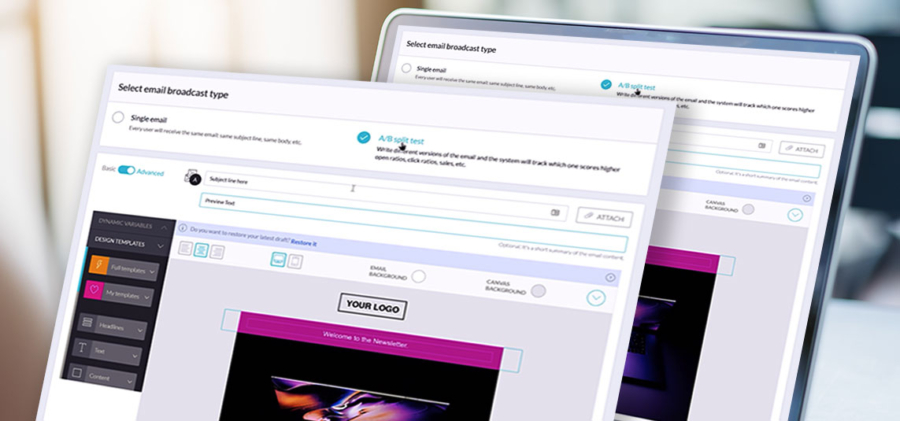
Kartra’s email automation software page is relevant for coaches because it discusses campaigns, sequences, tags, lists, behavioral automation, and customer journeys. Coaches should verify current plan details before relying on any specific feature, but the strategic use case is clear: follow-up should match the stage and interest of the lead.

A natural CTA belongs here: if your coaching launch depends on nurturing leads before they book, compare your planned welcome sequence against Kartra’s email automation capabilities. The question is not “Can I send emails?” The question is “Can I send the right message after the right action?”

Set up booking around qualification, not convenience alone

A coaching calendar should make booking easier, but it should also protect your time. If anyone can book any call for any reason, your calendar becomes the filter you forgot to build.

A strong booking setup explains who the call is for, what the call is about, what happens after booking, and what the prospect should prepare. For higher-touch offers, an application or short intake form may be useful before the calendar step. For lower-friction offers, a simple consultation booking path may be enough.

Kartra’s appointment scheduling software page discusses coaching and consulting scheduling use cases, availability settings, one-off and recurring meetings, multi-day events, and calendar structures for hosts or coaches.

The structural question is not “Can people book me?” It is “Should this person book this kind of call right now?”

That distinction matters. A calendar full of poorly matched calls is not a sign of a healthy coaching brand. It is a positioning problem with time slots attached.

Add checkout only when the offer is clear

Checkout should support the coaching offer, not define it. Before adding a payment page, decide exactly what the client is buying, what is included, what is not included, how access or sessions are delivered, and what happens after purchase.

A paid coaching offer might be a single session, a package, a group program, a membership, a course-supported coaching experience, or a recurring advisory relationship. Each one needs different checkout language.

Kartra’s shopping cart software page references selling coaching, consulting, courses, communities, and ecommerce products through checkout software. Because pricing, plan access, and integrations can change, coaches should review current Kartra pages before making purchase decisions.

This is where trust can break. A sales page may promise a coaching package, but the checkout may show a vague product name. The confirmation email may not explain the next step. The client may pay and wonder whether they should wait, book, log in, or reply.

Checkout should feel uneventful. Clear offer. Clear terms. Clear next step.

Design the client onboarding experience

Client onboarding is the first delivery moment after someone commits. For a coaching brand, onboarding should make the client feel oriented, not impressed by complexity.

A strong onboarding process confirms the purchase or booking, explains what happens next, collects any needed information, sets expectations, and gives the client a first step. That first step might be completing an intake form, booking the first session, watching an orientation video, joining a client portal, or reading a short preparation guide.

Kartra’s feature ecosystem includes forms, calendars, email automation, products and checkout, memberships and courses, helpdesks, and related customer workflows, which are relevant when a coaching offer needs to move from purchase into delivery.

Do not make onboarding theatrical. Make it useful. A new client does not need a 17-part welcome sequence. They need to know what they bought, what to do first, and how to get help.

Decide what content belongs behind the coaching offer

Not every coaching brand needs a course, portal, or membership area. But many coaching offers benefit from some structured digital content.

A one-on-one coach might use a small client resource hub with worksheets and session prep materials. A group coach might use a protected content area for replays, templates, and assignments. A leadership coach might use a short course before live sessions so clients arrive with shared language. A business coach might offer a membership-style resource library for ongoing clients.

Kartra’s membership sites and online course platform pages are relevant when the coaching brand includes protected resources, structured lessons, course content, or ongoing member access. The current online course page describes course creation and selling within Kartra’s connected digital marketing toolset.

The mistake is hiding an unclear coaching offer behind more content. Content should support the coaching relationship. It should not replace the clarity of the offer.

Plan support before clients need it

Coaching support needs boundaries. Without boundaries, clients may assume every message, question, or request is included. With boundaries, the client understands where to go, how to ask for help, and what kind of response is appropriate.

Support might happen through email, a helpdesk, client portal comments, group sessions, office hours, community threads, or scheduled calls. The right structure depends on the coaching model and price.

Kartra’s helpdesk software page describes helpdesk and ticketing use cases, while Kartra’s broader feature page lists helpdesks and calendars among the tools available inside the platform. Coaches should verify current functionality and plan fit before building a client support process around any specific feature.

Support boundaries are not a lack of care. They are what keep the coaching relationship clean.

Track what happens in the coaching funnel

Analytics help a coaching brand understand where attention turns into leads, where leads turn into calls, where calls turn into clients, and where the experience needs improvement.

The useful questions are practical. Which lead magnet attracts the right prospects? Which emails get people to view the offer? Which page sends people to the calendar? Which booking source creates the best-fit conversations? Which offer creates too many support questions? Which onboarding step creates confusion?

Kartra’s marketing analytics page discusses campaign and sales funnel insights, and its funnel software page references tracking performance across funnel steps. For coaches, analytics should be used as a diagnostic tool, not a vanity scoreboard.

A coaching brand does not improve because the dashboard looks busy. It improves when the coach can see where the client journey is breaking and fix the right part.

Build authority with a point of view

A coaching brand needs authority, but authority does not mean sounding important. It means having a clear point of view about the problem you help solve.

A leadership coach might believe most new managers do not need more confidence first; they need repeatable conversation structures. A business coach might believe most service providers underprice because their offers are poorly packaged, not because they lack confidence. A wellness coach might believe sustainable habits need a smaller starting point than most programs recommend.

That point of view should appear across the website, emails, lead magnet, sales page, and calls. It gives the brand texture. It also helps the right clients recognize why your approach is different.

This is where generic coaching content fails. If your content could be posted by any coach in any niche, it is not building authority. It is filling space.

Worked example: launching an online coaching brand for consultants

Imagine a coach who helps solo consultants turn scattered expertise into a focused advisory offer. The weak launch starts with a broad website, a few inspirational posts, and a “book a free call” button. Some people book, but the calls are inconsistent because the brand has not filtered for the right buyer.

A stronger launch starts with the promise. The coach helps solo consultants package one advisory offer, write a simple sales page, and create a repeatable client onboarding path.

The website becomes focused around that promise. The main page explains the problem, who the offer is for, how the coaching works, and why packaging matters before promotion. The lead magnet is an “Advisory Offer Clarity Worksheet.” After someone opts in, they receive an email sequence that explains common packaging mistakes and introduces the coaching path.

The booking page asks a few qualification questions before the call. The checkout page clearly names the coaching package and payment terms. After purchase, the client receives an onboarding email, intake form, calendar instructions, and access to a small resource area with templates used during the program.

If this were built in Kartra, the relevant tool path would include a landing page, form, email sequence, appointment scheduling, checkout, client resource area, support instructions, and analytics. That aligns with Kartra’s positioning as an online business and marketing platform for connected workflows across lead capture, nurturing, checkout, content delivery, and customer follow-up.

That is the difference between launching a coaching brand and simply announcing that coaching is available.

Common mistakes when launching a coaching brand online

The most common mistake is trying to look established before the offer is clear. A polished website cannot compensate for vague positioning.

Another mistake is sending every visitor straight to a call. Discovery calls are useful when the prospect understands the problem and sees a possible fit. If the visitor is cold, a lead magnet and email sequence may create a better path.

Coaches also overbuild too early. They create a course, membership, community, podcast, webinar, and content calendar before validating the core coaching offer. More assets can create more confusion when the brand promise is still unsettled.

The final mistake is treating client delivery as separate from marketing. Delivery is part of the brand. A messy onboarding process, unclear support boundary, or confusing access path can weaken trust even after the sale.

A coaching brand is not only what people see before they buy. It is also what they experience after they say yes.

A practical coaching brand launch checklist in paragraph form

Before launching, define the audience, problem, coaching promise, offer model, and next step. Decide whether the brand is selling one-on-one coaching, group coaching, a coaching membership, a course-supported program, or a paid workshop that leads into coaching. Build a page that routes visitors toward the right action. Create a lead capture asset that naturally connects to the coaching offer. Write an email sequence that explains your point of view and invites the next step. Set up booking with qualification, checkout with clear terms, onboarding with a first action, and support with boundaries.

If that sounds like more than branding, it is. Branding is not just how the business looks. It is how the buyer understands the path.

FAQ

How do I launch a coaching brand online?

Launch a coaching brand online by defining a specific audience, creating a clear coaching promise, choosing an offer model, building a landing page or website, setting up lead capture, writing follow-up emails, adding booking or checkout, and planning client onboarding before promoting the offer.

What tools do I need to start an online coaching business?

You need tools for your website or landing page, lead capture, email follow-up, appointment scheduling, checkout, client onboarding, support, and analytics. Some coaching brands also need course, membership, or client resource areas.

Do I need a website to launch a coaching brand?

You do not need a large website to launch a coaching brand, but you do need a clear online page that explains who you help, what problem you solve, how the coaching works, and what the visitor should do next. A focused landing page can be enough for an early launch.

Should coaches use discovery calls or checkout pages?

Discovery calls work well for higher-touch coaching, custom programs, or offers that require fit assessment. Checkout pages work better for clear, productized coaching packages, paid workshops, memberships, or lower-friction offers where the buyer already understands what they are purchasing.

How do I get leads for an online coaching brand?

You can get leads by offering a useful diagnostic, checklist, worksheet, quiz, workshop, or resource that connects naturally to your coaching offer. The lead capture asset should help the right person understand the problem and move into a relevant email follow-up path.

Can Kartra be used to launch a coaching brand online?

Kartra can support coaching brand launches that need landing pages, forms, email automation, booking, checkout, course or membership delivery, support, and analytics. Coaches should review current Kartra feature pages and plan details before choosing a setup.

Final take

Launching a coaching brand online is not just a visibility project. It is a clarity project. The brand needs a specific promise, a clear offer model, a useful lead capture path, trust-building follow-up, a qualified booking or purchase step, and a client onboarding experience that makes the first action obvious.

Start with the coaching promise. Build the offer around that promise. Route visitors into the right next step. Then connect the systems that turn interest into a coaching relationship.

If your coaching brand needs a connected path from lead capture to email follow-up, booking, checkout, client resources, support, and analytics, Kartra is built around that kind of online business process. Start with Kartra’s sales funnel software, then route readers who need a fuller coaching setup to appointment scheduling software, email automation software, shopping cart software, online course platform, and the broader Kartra features page as the coaching brand becomes more complete.