
How to Price an Online Course

Pricing an online course starts with the result your buyer wants, not the number of videos, modules, downloads, or bonuses inside the course. A course with four focused lessons can be worth more than a course with forty unfocused lessons if it helps the right buyer solve a specific problem with less confusion.

The simplest way to price an online course is to evaluate five things: the value of the outcome, the urgency of the problem, the depth of support, the buyer’s trust in you, and the selling system behind the course. Once those pieces are clear, your price becomes easier to explain on the sales page, in your emails, and at checkout.

That matters because pricing is not only a math decision. It is a positioning decision.

Kartra fits this topic because course pricing is rarely isolated from the rest of the course business. A course creator usually needs a sales page, checkout, email follow-up, access delivery, and post-purchase onboarding to work together. Kartra’s online course platform page positions course creation alongside marketing and selling tools, while Kartra’s broader features page frames the platform around landing pages, email marketing, automation, memberships, and checkouts.

What determines the price of an online course?

The price of an online course is determined by the value of the buyer’s desired result, the clarity of the course promise, the level of support included, and the buyer’s confidence that the course will help them follow through.

Most creators underprice or overprice because they start in the wrong place. They count lessons. They compare themselves to other creators. They ask what people “usually charge.” Those inputs can be useful later, but they do not tell you what your specific course is worth to your specific buyer.

A beginner guitar course, a certification-prep course, a leadership training course, and a course on creating a profitable consulting offer all live in different buying contexts. The buyer’s motivation is different. The risk of doing nothing is different. The amount of support needed is different. The price should reflect that.

A stronger pricing question is this: “What is the buyer trying to change, and how directly does this course help them change it?”

If your answer is vague, the price will feel vague too.

Price the outcome before you price the curriculum

The first step in pricing an online course is defining the outcome in one clear sentence. By the end of the course, what should the student be able to do, complete, decide, build, or understand?

“Learn marketing” is not a pricing-ready outcome. “Build a five-email welcome sequence for a coaching offer” is much stronger. “Become more productive” is broad. “Create a weekly planning system for a solo consulting business” is easier to understand and easier to price.

Specific outcomes help buyers evaluate the offer. They also help you decide what belongs in the course and what should be left out. This is where many courses get bloated. The creator adds more lessons to justify the price, when the better move is often to remove anything that distracts from the result.

A course does not become more valuable because it takes longer to finish. In many cases, the opposite is true. A focused course that gets the buyer to a useful result with fewer decisions can feel more valuable than a large course that leaves them wondering where to begin.

This is especially important when selling through a funnel. The sales page needs a clear promise. The checkout needs a clear offer. The onboarding emails need a clear first step. Kartra’s sales funnel software page describes funnel planning across landing pages, email automation, and checkout pages, which is the kind of connected path course creators need to think through before choosing a price.

Match the price to the course format

A self-paced course, a cohort-based course, a membership, and a coaching-supported program should not be priced the same way.

A self-paced course is usually priced around access to structured learning, templates, examples, and implementation guidance. The buyer is paying for clarity and organization, but they are doing most of the work alone. That does not mean the course has to be cheap. It does mean the offer needs to be realistic about the support included.

A cohort-based course usually supports a higher price because the buyer gets timing, structure, group momentum, and often live interaction. The course is not just content anymore. It is an experience with a defined start, progression, and finish.

A membership uses a different pricing logic. The buyer is paying for ongoing value, not just completion. That value might come from new training, community, monthly calls, resources, or continuing access. If the membership is only a content library, the price has to work much harder because the buyer may wonder why they should keep paying after they consume the most relevant material.

A coaching-supported course or guided implementation program can justify a higher price when the support genuinely helps the buyer apply the material. Feedback, review, office hours, and accountability all change the offer. They also increase your delivery responsibility, so the price needs to account for your time.

The conventional advice says to “charge what you’re worth.” That is incomplete. Charge for the offer you are actually delivering.

Use buyer value as your pricing anchor

Buyer value is the practical importance of the result your course helps create. It is not your effort. It is not how long you spent filming. It is not the number of slides in the portal.

A course that helps someone plan a hobby has a different value profile than a course that helps a consultant package a paid service, a coach build a repeatable onboarding system, or a creator launch a paid digital product. The second group of outcomes is closer to business value, which can often support a higher price when the promise is credible and the buyer trusts the path.

That does not mean every business course should be expensive. A broad course with a weak promise is still a weak offer. A high price only makes sense when the buyer can understand why the course matters, why the method is credible, and why now is the right time to act.

A useful pricing test is whether you can explain the price in one calm paragraph without sounding defensive.

For example: “This is a self-paced course for coaches who want to turn one service into a structured online offer. It includes the course lessons, offer-mapping templates, sales page prompts, and launch email examples. It does not include private coaching, so the price reflects a guided do-it-yourself path rather than a done-with-you program.”

That explanation is stronger than “It has eight modules and a bonus vault.”

Decide whether your course is an entry offer, core offer, or premium offer

An online course price should match the role the course plays in your business. Some courses are designed to introduce buyers to your work. Some are the main offer. Some sit inside a higher-ticket path that includes support, coaching, consulting, or advanced implementation.

An entry-level course usually solves one narrow problem. It may be easier to buy, easier to finish, and easier to sell to a colder audience. Its job is not always to produce the highest immediate revenue. Its job may be to create trust, validate demand, or move the buyer toward a deeper offer.

A core course is more substantial. It usually has a stronger outcome, more complete structure, and a clearer connection to the buyer’s long-term goal. This is where the sales page, email sequence, checkout experience, and post-purchase delivery matter more because the buyer needs more confidence before purchasing.

A premium course or guided program usually includes a stronger support layer. The buyer is not only paying for information. They are paying for structure, feedback, accountability, and help applying the material. If you price a premium course like a low-ticket course, delivery can become unsustainable fast.

This is why pricing and platform planning belong together. If your course is a core or premium offer, you need more than a place to upload lessons. You need the buyer journey to hold together from first opt-in to purchase to course access. Kartra’s shopping cart software page is relevant for the checkout side of that journey, especially when course creators are thinking through how buyers purchase digital products, courses, coaching, or memberships.

Build the selling system before finalizing the price

A course price can fail even when the number is reasonable. Usually, that happens because the sales system does not create enough clarity before checkout.

A low-priced course can often sell from a simple landing page and a short email sequence. A higher-priced course may need more education. The buyer might need a webinar, a workshop, a detailed sales page, comparison content, objections answered by email, or a consultation step before they are ready to buy.

The higher the price, the more your sales process needs to answer three questions. Does the buyer recognize the problem? Do they believe your approach makes sense? Do they believe they can follow through?

If the answer to any of those is no, lowering the price may not fix the problem. You may need a clearer lead magnet, stronger nurture sequence, better sales page, or more specific course promise.

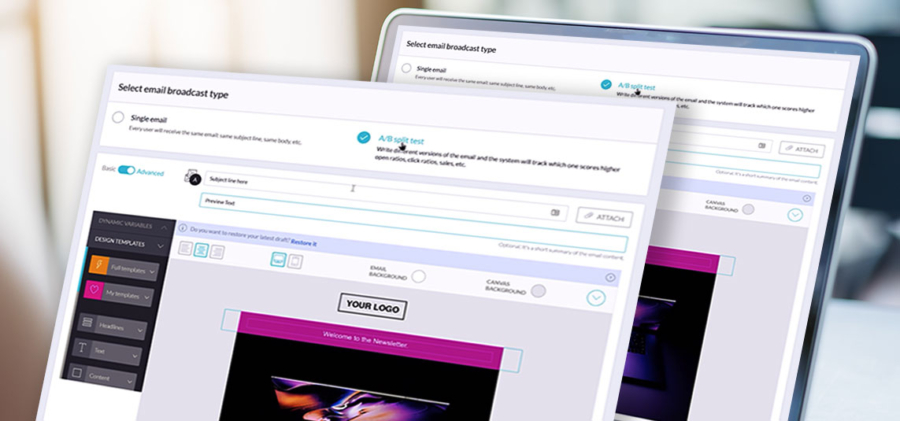
Kartra’s email automation software page is relevant here because course pricing often depends on how well you can educate and follow up with leads before they reach checkout. Course creators rarely sell only through one page. They usually need email follow-up that explains the problem, builds trust, introduces the course, and routes interested buyers to the right offer.

Choose a pricing model that matches buyer behavior

The main online course pricing models are one-time payment, payment plan, subscription, and tiered pricing. The right choice depends on how the buyer expects to use the course and how much commitment the course requires.

A one-time payment works well when the course has a defined finish line. The buyer pays once, gets access, and works through the material. This model is often easiest to understand, which can reduce friction at checkout.

A payment plan can work when the total price is higher but the buyer needs flexibility. The terms should be clear before checkout. Do not bury the total cost, payment schedule, or access rules.

A subscription works when the course is part of an ongoing membership, continuing education library, coaching community, or recurring resource. The key question is not “Can we add more content?” The key question is “Why would the buyer continue receiving value next month?”

Tiered pricing works when each tier serves a different buyer need. A self-paced tier, a templates tier, and a coaching-supported tier can make sense. Three tiers that only rearrange bonuses usually make the offer harder to evaluate.

My bias: do not create tiers unless you can explain the difference in one sentence. Confused buyers do not become more confident because you gave them more boxes to compare.

How to calculate your starting course price

To calculate a starting price, define the course promise, estimate the buyer value, choose the delivery format, account for support costs, and make sure the sales process can explain the offer clearly.

Start by naming the buyer and the problem. “Freelance designers who want to package a recurring service” is easier to price than “creative entrepreneurs.” Then define the finished state. A buyer who finishes the course should have something useful: a plan, a system, a skill, a setup, a decision, a launch asset, or a completed process.

Next, decide how much support the buyer receives. A self-paced course with templates sits in a different price category than a guided course with feedback. Then account for your delivery costs, including support time, live sessions, community moderation, updates, payment processing, admin work, and any tools required to deliver the experience.

Finally, pressure-test the price against your sales assets. If your course sales page cannot explain why the course is worth the price, the price may not be the real issue. The offer may need clearer positioning.

For a course sold through Kartra, this is where the connected setup becomes useful. A creator can think through the path from opt-in page to follow-up emails to sales page to checkout to protected course access instead of treating course delivery as a separate island. That product-led path aligns with Kartra’s approved positioning as an online business and marketing platform for connected lead capture, nurturing, checkout, content delivery, and customer follow-up.

Worked example: pricing a course for consultants

Imagine a consultant creating a course called “Client Onboarding System for Solo Consultants.” The course helps independent consultants create a repeatable onboarding process after a client signs. It includes lessons, intake form prompts, onboarding email templates, a kickoff checklist, and a walkthrough for mapping the client handoff.

The buyer is not purchasing “course content.” The buyer is purchasing a cleaner post-sale experience, fewer repeated explanations, and a more professional way to start new client relationships.

That outcome has business value, but the format matters. If the course is self-paced and includes templates but no direct feedback, it should be priced as a structured do-it-yourself offer. If the consultant adds live implementation sessions or reviews student onboarding assets, the offer moves closer to a guided program and can support a higher price.

The selling path might start with a lead magnet called “Client Onboarding Checklist.” New leads receive a short email sequence that explains the cost of messy onboarding, shows examples of a better client handoff, and introduces the course. Interested buyers click through to a sales page, purchase through checkout, and receive course access with a first-step onboarding email.

That is the real offer architecture. The course price is only one part of it.

Kartra can support this type of course-selling path when the creator needs landing pages, email follow-up, checkout, and membership-style course access in one connected process. This is also where a product-led CTA belongs naturally: if your course needs more than lesson hosting, explore Kartra’s online course platform and compare it against the full path your buyer needs to travel before and after purchase.

Should you launch with a low price?

Launching with a low price can be useful when you are validating a new course, selling to a small audience, or offering beta access before the course is fully refined. It is not useful when it hides an unclear promise.

Man looking at his laptop screen, thinking if he should lower his price point.

A low price may reduce buying friction, but it can also attract students who are less committed. A higher price can create more commitment, but only when the buyer understands the value and trusts the path. Neither choice is automatically right.

For a first course, beta pricing can work when the reason is honest. You might tell early buyers that the course is new, that you are gathering feedback, or that the current version includes a founding-student rate. That is cleaner than pretending the course is fully mature and then discounting it heavily.

The better question is not “How low should I go?” The better question is “What do I need this first launch to prove?”

If you need to prove demand, choose a price that gets real buyers to make a real decision. If you need to protect positioning, avoid training your audience to wait for discounts. If you need feedback, make sure the price includes enough commitment for students to actually use the course.

Should you offer discounts?

Discounts can work when they are tied to a real reason. They are weaker when they become the main sales strategy.

A launch discount, founding-student price, customer-only offer, or limited beta rate can make sense. A constant discount can make the full price feel artificial. Buyers notice when urgency is manufactured.

Before discounting, ask what the discount is supposed to do. Is it encouraging early enrollment? Rewarding existing customers? Helping validate a new offer? Creating momentum for a live cohort? If the answer is simply “I’m worried people won’t buy,” the course probably needs clearer positioning, stronger proof of expertise, or a better sales process.

Discounts should support the strategy. They should not replace it.

How your online course platform affects pricing

Your platform does not decide your course price, but it can affect how confidently you sell and deliver the offer.

A course creator pricing a serious offer needs to think beyond uploading videos. The full customer journey includes the landing page, lead capture, email follow-up, sales page, checkout, course access, onboarding, support, and future offers. When those pieces are disconnected, it becomes harder to diagnose what is working and what needs attention.

A buyer may find your course through a lead magnet. They may need several emails before they understand the problem. They may revisit the sales page more than once. They may buy, need immediate access, receive onboarding instructions, ask a support question, and later become a candidate for a membership or advanced program.

That is why a connected platform can matter. Kartra’s core feature pages route naturally into this conversation: the sales funnel software page supports the sales path, the email automation software page supports nurture and follow-up, the shopping cart software page supports purchase flow, and the online course platform page supports the course creation and selling context.

The point is not that every creator needs every feature on day one. The point is that pricing is easier to defend when the buyer journey is coherent.

Common online course pricing mistakes

The biggest mistake is choosing a price before the offer is clear. When the audience, promise, format, and support level are fuzzy, every price feels like a guess.

Another mistake is copying a competitor’s price without understanding their audience, authority, support model, or traffic source. Two courses can look similar from the outside while operating with completely different economics behind the scenes.

Creators also weaken pricing by adding too many bonuses. A bonus should help the buyer reach the outcome. If it exists only to make the offer look bigger, it may create more doubt than desire.

Live support is another place where pricing gets messy. If you include office hours, feedback, private reviews, or community moderation, the price needs to respect your time. Otherwise, a course that sells well can still become operationally painful.

And then there is the checkout mistake. Many creators treat checkout as the end of the funnel. It is not. Checkout is the start of delivery. The moment after purchase is when the student needs confirmation, access, orientation, and a clear first step.

Kartra’s internal workflow guidance treats course sales as a connected path from sales page to checkout to membership access and onboarding follow-up, rather than a disconnected set of pages and tools. That is the right mental model for pricing too.

A practical course pricing checklist in paragraph form

Before publishing your course price, make sure you can name the buyer, the problem, the promised result, and the reason the result matters now. Confirm whether the course is self-paced, guided, cohort-based, or ongoing. Decide exactly what support is included and what is not included. Account for delivery time, updates, support, and admin work. Then review the sales page and ask whether a buyer would understand the value before seeing the checkout.

If the offer needs more explanation, do not immediately lower the price. Improve the explanation. Clarify the promise. Tighten the audience. Remove irrelevant bonuses. Strengthen the onboarding path. Make the first step after purchase obvious.

A course with a clear promise, a clear buyer, and a clear delivery process has more pricing power than a large course with a vague transformation.

FAQ

How much should I charge for an online course?

You should charge based on the buyer’s desired outcome, the course format, the level of support, and the strength of your sales process. A short self-paced course with a narrow promise usually needs a different price than a guided program with coaching, feedback, or live implementation.

What is the best pricing model for an online course?

The best pricing model depends on the course experience. One-time pricing works well for self-paced courses with a clear finish line. Payment plans can fit higher-priced programs. Subscriptions work better for memberships, ongoing education, or recurring support.

Should I price my first online course low?

You can price a first course lower if you are validating demand, offering beta access, or selling a short self-paced course. Do not use a low price to compensate for an unclear promise. A specific course with a useful outcome can often support a stronger price than a broad course with more content.

Can I raise the price of my online course later?

Yes, you can raise the price later as the course improves, the promise becomes clearer, support increases, or demand changes. The key is to communicate the price clearly and avoid making unsupported claims about student outcomes.

Should I offer a payment plan for my online course?

A payment plan can help when the total price is meaningful enough that buyers may want flexibility. Make the full price, payment schedule, billing terms, and access rules clear before checkout.

Does course length affect pricing?

Course length can affect perceived value, but it should not be the main pricing factor. Buyers care more about the outcome, clarity, support, and usefulness of the material than the number of lessons.

Final take

The right online course price is the number that matches the buyer’s desired result, the level of support you provide, and the business model behind the course. Start with the offer promise. Shape the course around that promise. Then build a sales and delivery path that makes the price feel clear before the buyer reaches checkout.

If your course business needs a connected path from lead capture to email follow-up, sales page, checkout, and course access, Kartra is built around that kind of online business process. Start with Kartra’s online course platform, then route readers who need a fuller sales setup to Kartra’s sales funnel software, email automation software, and shopping cart software pages as their course offer becomes more complete.